5 Takeaways: What We Learned at the Africa Energy Forum 2026

The Africa Energy Forum, themed “Building Africa’s Industrialized Future,” reflected the urgent need to build energy systems that support industrialization, strengthen local value chains and create jobs for a continent expected to be home to 2.5 billion people by 2050.
Discussions at this year’s forum recognized that expanding energy access is critical to powering Africa’s productive sectors, economic growth, manufacturing and global competitiveness. This is central to our work at the Global Energy Alliance for People and Planet as we help countries build the energy systems, investment markets and partnerships needed to power industrialization, create jobs and unlock opportunities for local enterprise, particularly for women and young people.
Together with our partners, we used AEF 2026 to bring together conversations on energy, critical minerals, infrastructure, finance and technology, demonstrating how these sectors must work together to accelerate Africa’s industrial future. The forum was also a key moment to advance Mission 300, celebrate milestones, launch initiatives and strengthen the country-led partnerships accelerating electricity access across the continent.
Here are five milestones and takeaways from the forum.
- Mission 300 hit a major milestone of 50 million connections. A major highlight of the forum was the announcement that Mission 300 has successfully connected more than 50 million people to electricity across 40 African countries. Delivered in partnership with the World Bank Group and the African Development Bank, this achievement proves that coordinated action works, with electrification now moving at nearly double the pace recorded at the initiative’s launch in 2024[TJ2] . However, with population growth still adding 32 million people annually, we must capitalize on this momentum to reach the remaining 250 million by 2030.
- National Energy Compacts are moving the continent from pledges to action. To sustain this accelerated pace of electrification of communities, African nations are taking the lead. AEF featured the presentation and signing of additional compacts from Burkina Faso, the Central African Republic, Djibouti, Gabon, Rwanda and Uganda. These compacts serve as crucial, investment-ready blueprints outlining the policy reforms, utility strengthening and private-sector incentives needed to crowd in large-scale public and private finance.
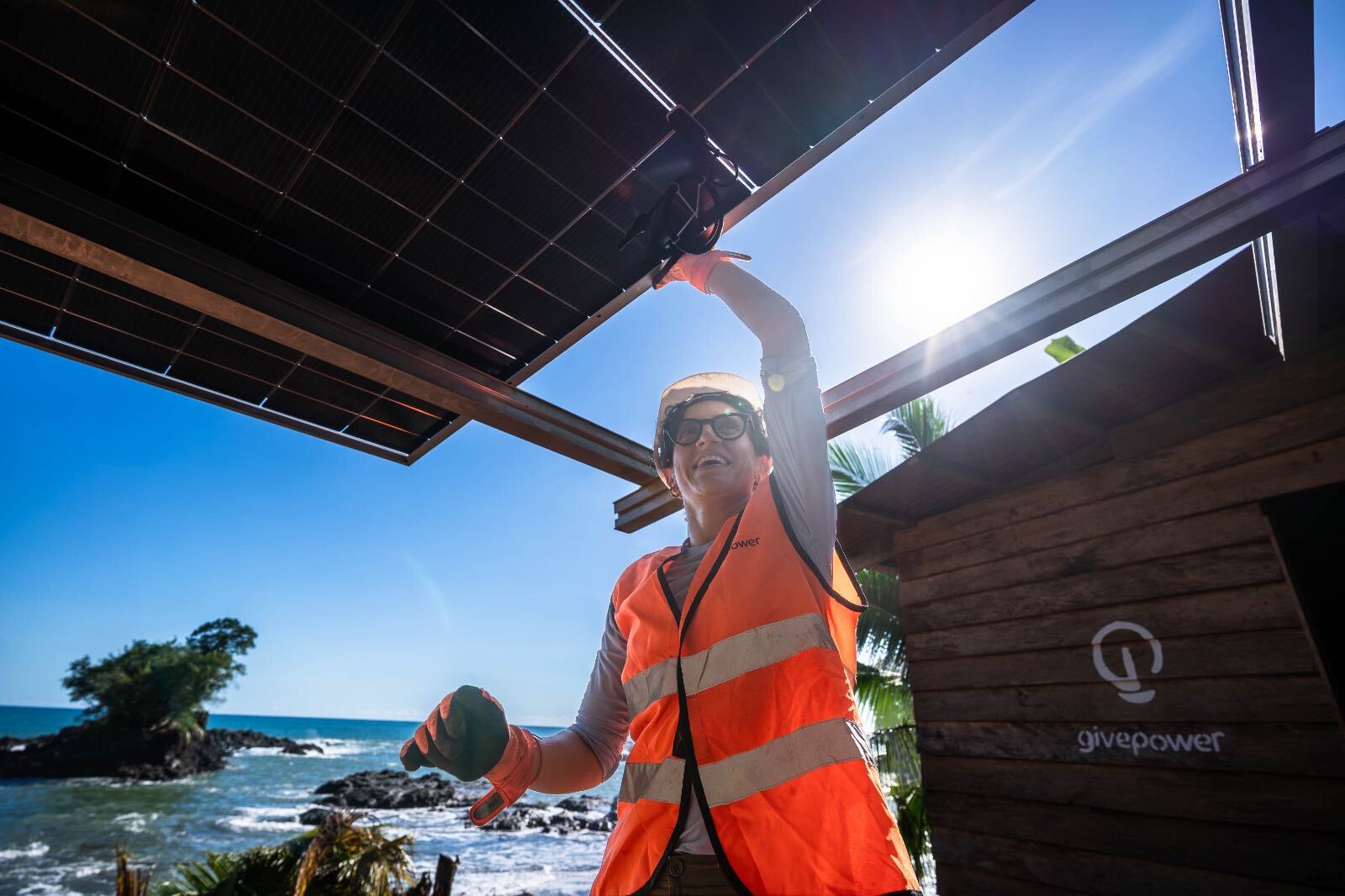
- Distributed renewable energy must be financed as core infrastructure. In partnership with Lightrock, a global investment platform, we launched a new report titled “Structuring for the Last Mile: Financing the Next Era of African Electrification.” The report reveals that the main constraint to rural energy access is a broken financial architecture rather than technology. Capital costs for distributed renewable energy are nearly double those of standard infrastructure because private operators absorb demand and regulatory risks that governments should manage. To mobilize the required $15 billion annually, the sector must abandon fragmented hardware deployments and adopt public-private partnerships designed for long-term service delivery.
- Energy storage is the backbone of Africa’s industrial future. A consistent theme at AEF was that battery energy storage systems are no longer just backup technologies; they are strategic infrastructure assets. To support industrial zones, digital infrastructure and mining, Africa needs robust storage solutions that stabilize weak grids and improve the economics of renewable integration. These systems are fundamental to lowering investment risks and providing the dependable power systems required for broad-based economic expansion.
- Working across sectors is unlocking significant value. Electrification cannot happen in silos. AEF 2026 reinforced that connecting energy access with the critical minerals sector, local manufacturing and agriculture is essential for Africa’s industrialization. By moving up the value chain into clean-energy-powered processing and refining, the continent can create millions of green jobs, boost domestic productivity and solidify its position as a global leader in the green economy.
Explore More
-
 Rockefeller Foundation, Global Energy Alliance, Clean Cooking Alliance,…Rockefeller Foundation, Global Energy Alliance, Clean Cooking Alliance,…Press Release18.02.2026Africa
 -
 5 takeaways: what we learned at London Climate…5 takeaways: what we learned at London Climate…Blog01.07.2025Global
 -
 Global Energy Alliance for People and Planet (Global…Global Energy Alliance for People and Planet (Global…Press Release24.01.2025Global