Building a market for solar-powered tools, builds productivity among Malawi’s farmers

A quiet revolution has begun in Malawi, enabling farmers to access solar-powered productive-use equipment and helping suppliers and distributors find new customers.
Among Malawi’s rural communities of crop and dairy farmers, irrigation and cold chains can be the difference between successful harvests and milk production, and disaster. Yet, access to simple equipment such as solar panels and electric water pumps, mills and milk cooling systems is all it takes to transform livelihoods.
Driving this transformation is Ag-Energy, a partnership launched in 2022 between Germany’s international cooperation agency, GIZ, and Global Energy Alliance for People and Planet. Part of Malawi’s broader Energising Development (EnDev) programme, Ag-Energy uses a results-based financing model to provide catalytic investment for distributed renewable energy solutions in agriculture.
“Ag-Energy shows how clean energy stimulates agricultural prosperity and community empowerment,” said Collen Zalengera, Global Energy Alliance’s Country Director for Malawi. “This is about improving livelihoods today while securing a sustainable agricultural future for Malawi.”
Reduced losses, increased income
Ag-Energy will improve the lives of more than 5,000 smallholder farmers across Malawi by providing them with subsidized access to solar power and equipment, stimulating the market for affordable productive use tools and creating a replicable commercial model.
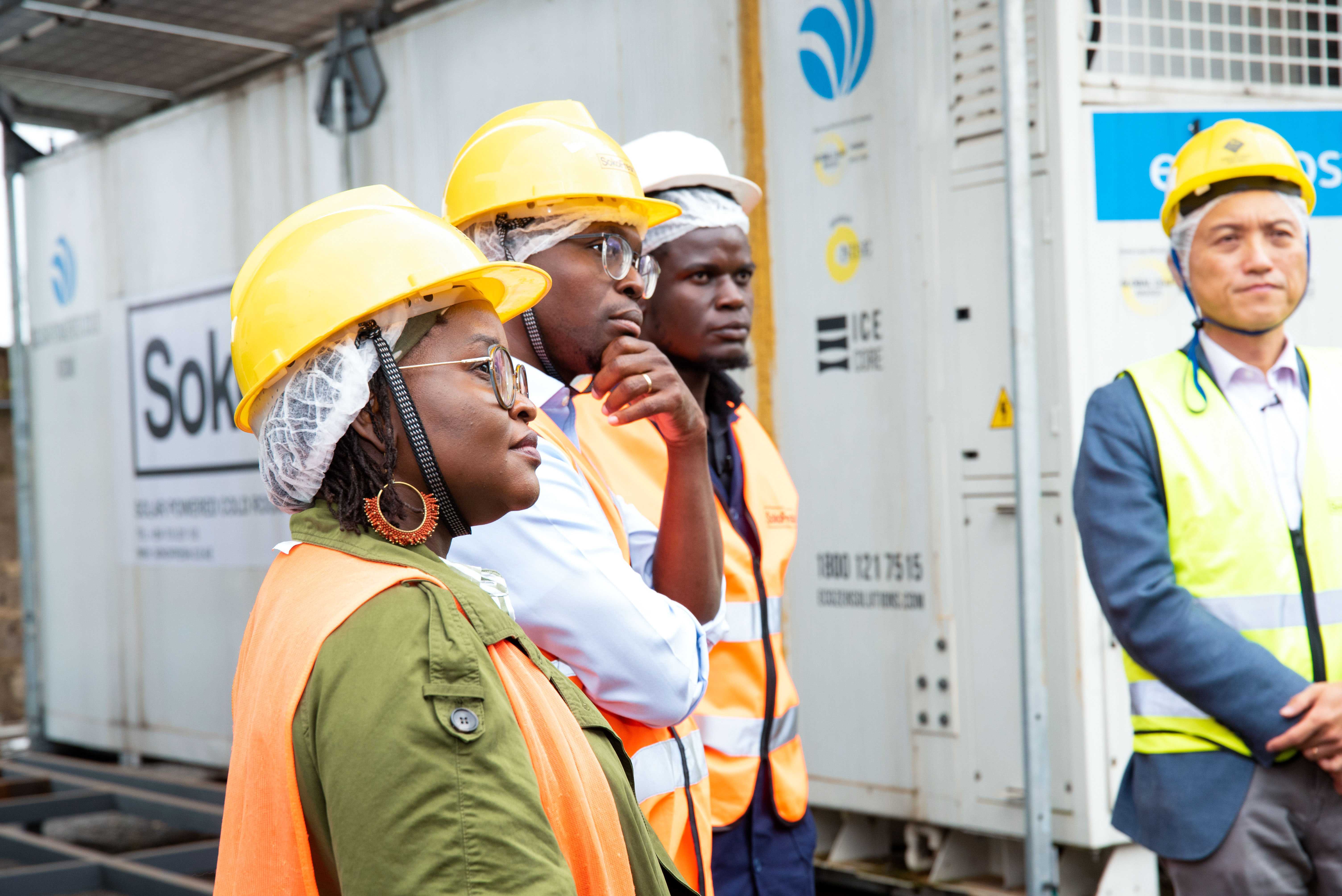
Across the southern highlands of Thyolo, Mulanje and Chiradzulu, dairy farmers are seeing a vital transformation in the quality and longevity of their herds’ milk thanks to new, solar-powered cooling systems delivered in collaboration with the Shire Highlands Milk Producers’ Association.
“We used to lose milk when cooling systems failed,” says Ida Mayera, a dairy farmer from Oma village. “Now, with solar power, we are hopeful this will be a problem of the past.”
Six milk bulking group collection centers – smallholder cooperatives where farmers like Mayera bring their milk to be aggregated and sold on to commercial processors – have seen comprehensive upgrades, including new cold storage and power rooms, and repaired roofs.
“These improvements give us confidence that our milk will reach the market in good condition, and our incomes will be protected,” says Elias Chisale, Chair of Thuchira Milk Bulking Group.
With over 13,000 farmers in southern Malawi supplying 100,000 liters of milk daily, reliable energy is good for the dairy farmers and good for the nation.
Supporting farmers and communities
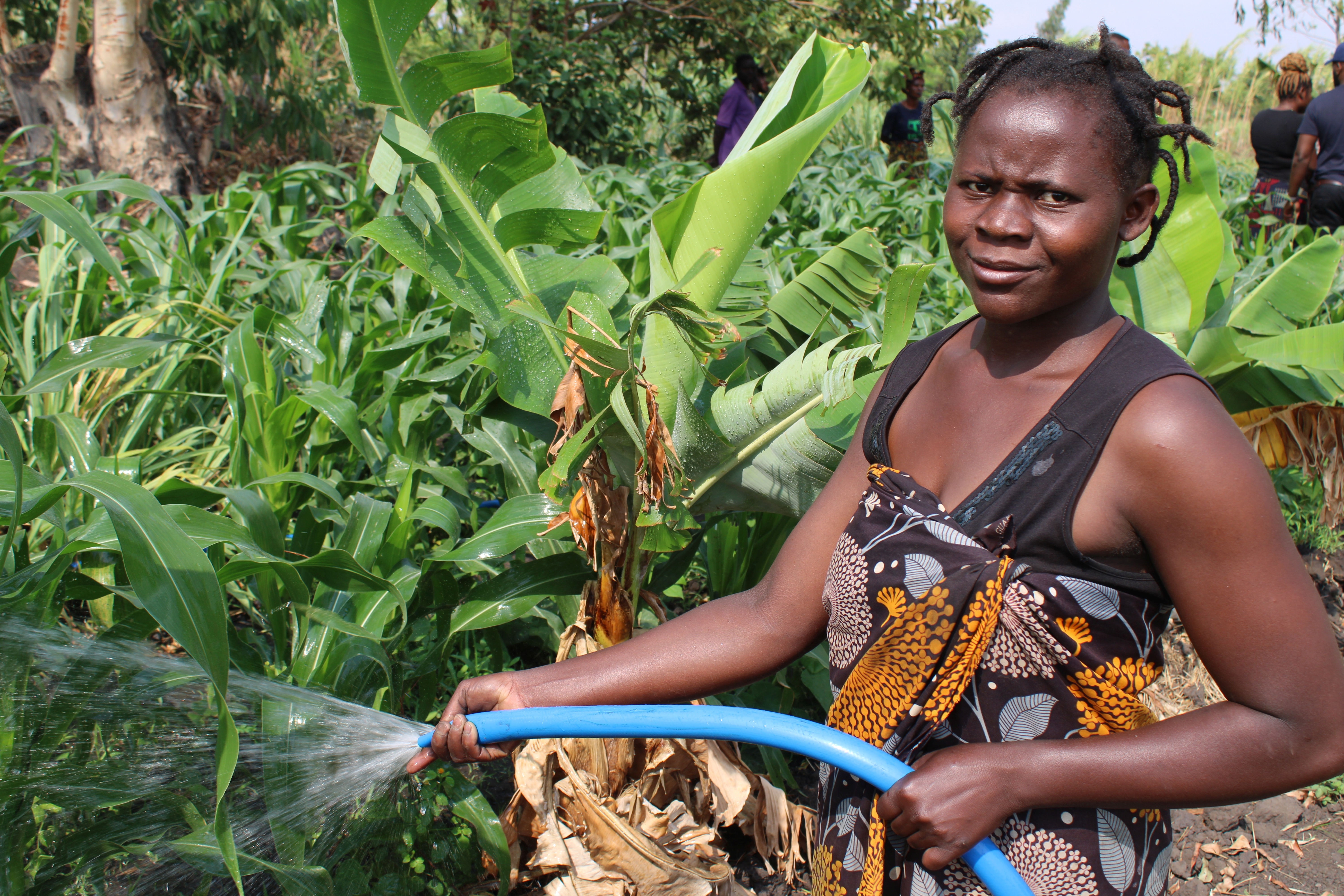
In the western districts of Kasungu and Mchinji, close to the border with Zambia, chilli farmers are enjoying higher yields while no longer having to pump water by hand. Working closely with Ag-Energy, companies in these areas have sold 157 portable solar water pumps, now being used by about 550 farmers in total.
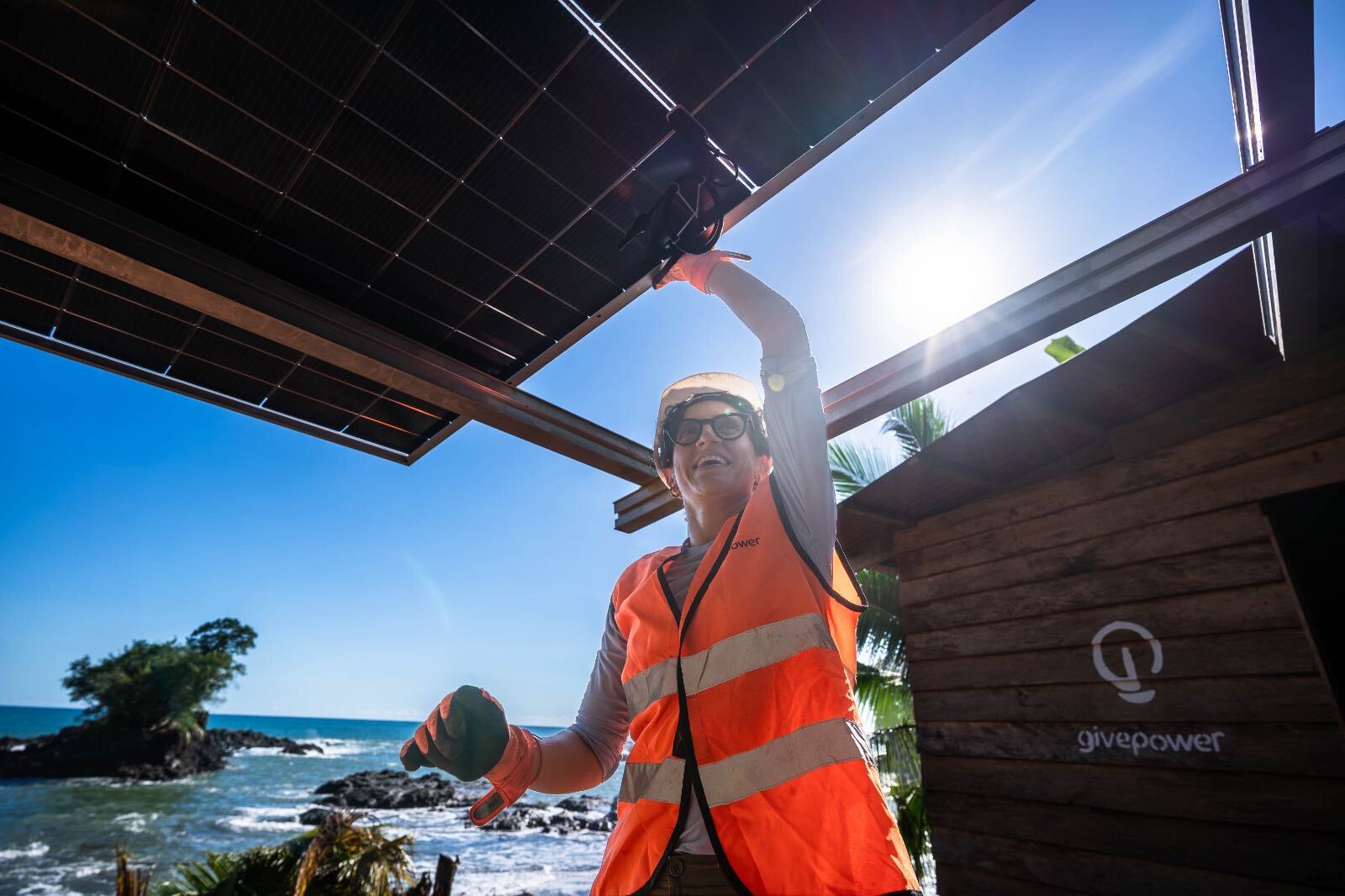
In Chikwawa, in the far south, the impact of new equipment can be felt beyond the farmers’ fields. At the Phata Sugarcane Outgrowers Cooperative solar panels will power booster pumps for sugarcane irrigation as well as three nearby schools and three charging kiosks, extending the benefits across the wider community.
In the lakeside district of Salima, in central Malawi, rice farmers at the Lifuwu Irrigation Scheme now power their rice milling plant with solar power. Switching to solar has resulted in reduced operational costs and increased processing efficiency. It has been eye-opening, says Charles Chimbalanga, Chairperson of Lifuwu Rice Cooperative: “We never thought solar power could drive a big machine like this. The rice mill does not only benefit the members of the cooperative but also members of the wider community.”
“These milestones show how renewable energy can empower farmers, strengthen cooperatives and build climate-resilient food systems,” says Pia Hopfenwieser, EnDev Team Leader.
Explore More
-
 SunCulture: Empowering Africa’s Farmers Through Solar-Powered IrrigationSunCulture: Empowering Africa’s Farmers Through Solar-Powered IrrigationBlog07.05.2025Africa
 -
 Global Energy Alliance, Government of Malawi launch the…Global Energy Alliance, Government of Malawi launch the…Press Release25.11.2024AfricaMalawi
 -
 Cooling food insecurity in Africa with Sokofresh’s solar-powered…Cooling food insecurity in Africa with Sokofresh’s solar-powered…Blog31.10.2024Africa