It is time to turn megawatts into markets in Africa

Giving people access to energy should also mean creating lasting economic opportunities.
The past decade has delivered remarkable progress in expanding electricity access across Africa. Governments, donors, utilities, private businesses and communities have built systems that reach hundreds of millions more people.
In eastern and southern Africa alone, roughly 25mn people gained new or improved access to energy between 2018 and 2023. Rwanda’s electrification rate climbed to around 75 percent in 2024 from 6 percent in 2009, and Malawi has nearly doubled access since 2021.
Yet, even with this progress, access is not growing fast or evenly enough, and not in ways that consistently unlock lasting economic opportunity.
While some countries are approaching universal access, others continue to face deep structural challenges. In South Sudan, just 8 percent of its population are connected, and many rural areas across the continent still rely on costly or unreliable energy sources. These disparities highlight the need for approaches that not only expand supply but also ensure that access reaches all communities and supports meaningful economic use.
Electrification must be about more than turning on lights. True transformation demands that energy fuels opportunity and prosperity.
A farmer in Rwanda can now charge her phone, but may not be able to afford the solar pump that would boost her yields. A shopkeeper in Malawi may have lighting, but still lacks productive appliances such as a solar-powered fridge or an inverter to extend trading hours, increase sales and achieve energy independence from a precarious national grid.
Much of Africa’s progress has understandably focused on building supply, generation, mini-grids and last-mile networks. The next step is to match this supply with demand that creates economic value and makes these systems commercially viable.
“Africa must ensure energy supply is matched to pathways that enable households and enterprises to use energy productively, and support core sectors such as manufacturing, agriculture and retail where most jobs and livelihoods are found”
In too many places, electricity consumption remains below 50 kilowatt hours a month, far below levels needed to sustain viable utilities or mini-grids.
Tariffs of $0.50–$0.95/kWh make it difficult for small businesses to adopt appliances that increase income. Without productive use, electricity risks becoming a cost rather than a catalyst.
This challenge is structural: Africa must ensure energy supply is matched to pathways that enable households and enterprises to use energy productively, and support core sectors such as manufacturing, agriculture and retail where most jobs and livelihoods are found.
Connecting energy to economic opportunity
Across the continent, a new approach is gaining ground. The productive use of energy is increasing the commercial and social viability of electrification.
The International Finance Coalition’s sustainable cooling initiative is powering cold storage solutions across Africa and Asia, demonstrating strong demand once equipment costs are de-risked. Nigeria’s energising agriculture programme pairs mini-grids with cold rooms, electric rice mills, and solar-powered farm vehicles, showing how energy can drive economic activity.
Supporting this movement, regional financial systems are evolving. Recent analysis by the World Resources Institute shows that east African banks are willing to lend for productive appliances when transactions are aggregated and treated as a dedicated asset class.
This integration of energy and opportunity is urgent: Africa’s energy transition is inseparable from its jobs transition. With 10mn–12mn young people entering the labour market annually and only a fraction finding stable, income-generating work, electrification must become a foundation for enterprise growth, and linking energy to agrifood value chains can rapidly accelerate climate resilience and green industrialisation.
What it takes to scale
To scale this transformation, countries need a financing and delivery architecture designed for productive use. While there are promising signs across the continent, three capabilities must be strengthened if Africa is to turn energy access into a broad-based economic opportunity.
First, countries need stronger convening power
The most transformative models bring together actors who rarely plan together, utilities, agribusinesses, local banks, appliance manufacturers and government ministries.
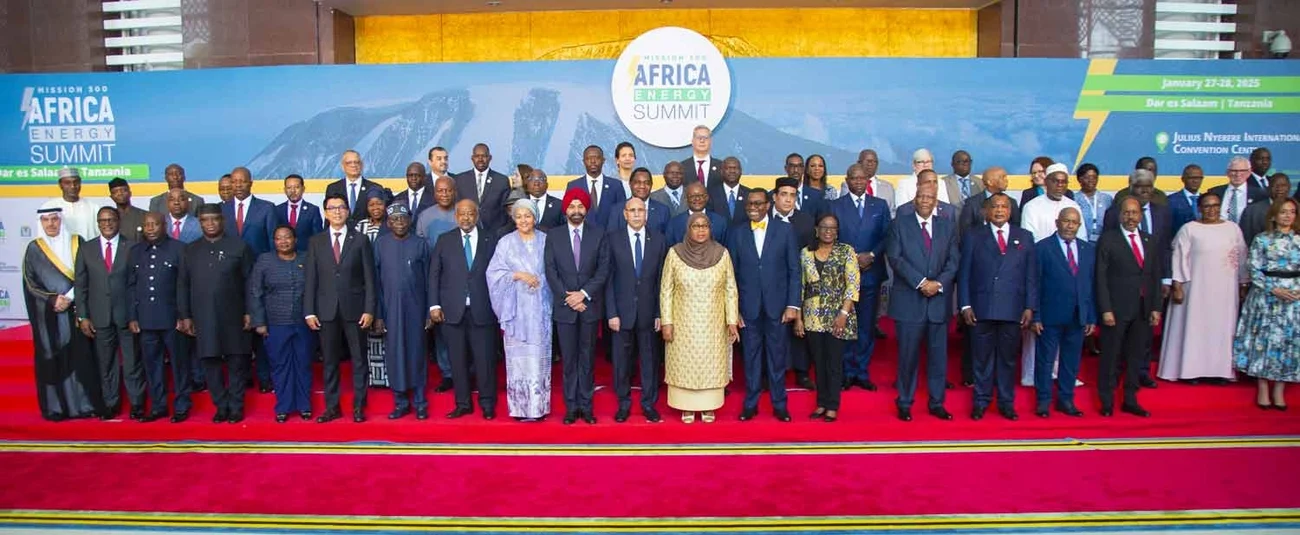
Under Mission 300, this approach is being embedded through national energy compacts, country-owned platforms that set out national reform priorities, investment pipelines and delivery targets for energy access.
“The continent has shown it can turn the lights on; the challenge now is ensuring those lights power prosperity”
This is supported by compact delivery and monitoring units that act as the “implementation engine for energy access commitments, providing co-ordination and technical assistance to ensure projects move from commitment to actual execution.
This approach is being embedded in national planning throughout the continent. The next step is to make this the norm across all electrification investments, so that energy, enterprise growth and power usage effectiveness are designed as one integrated system, rather than parallel work streams.
Second, Africa needs financing instruments built for productive energy use
To scale PUE, countries must create predictable revenue models, pooled procurement and local currency liquidity.
Philanthropy and development finance should focus their firepower on unlocking this pipeline: helping early-stage business models reach commercial viability and signalling confidence to local lenders so PUE becomes part of mainstream finance rather than the exception.
Third, co-ordination is critical
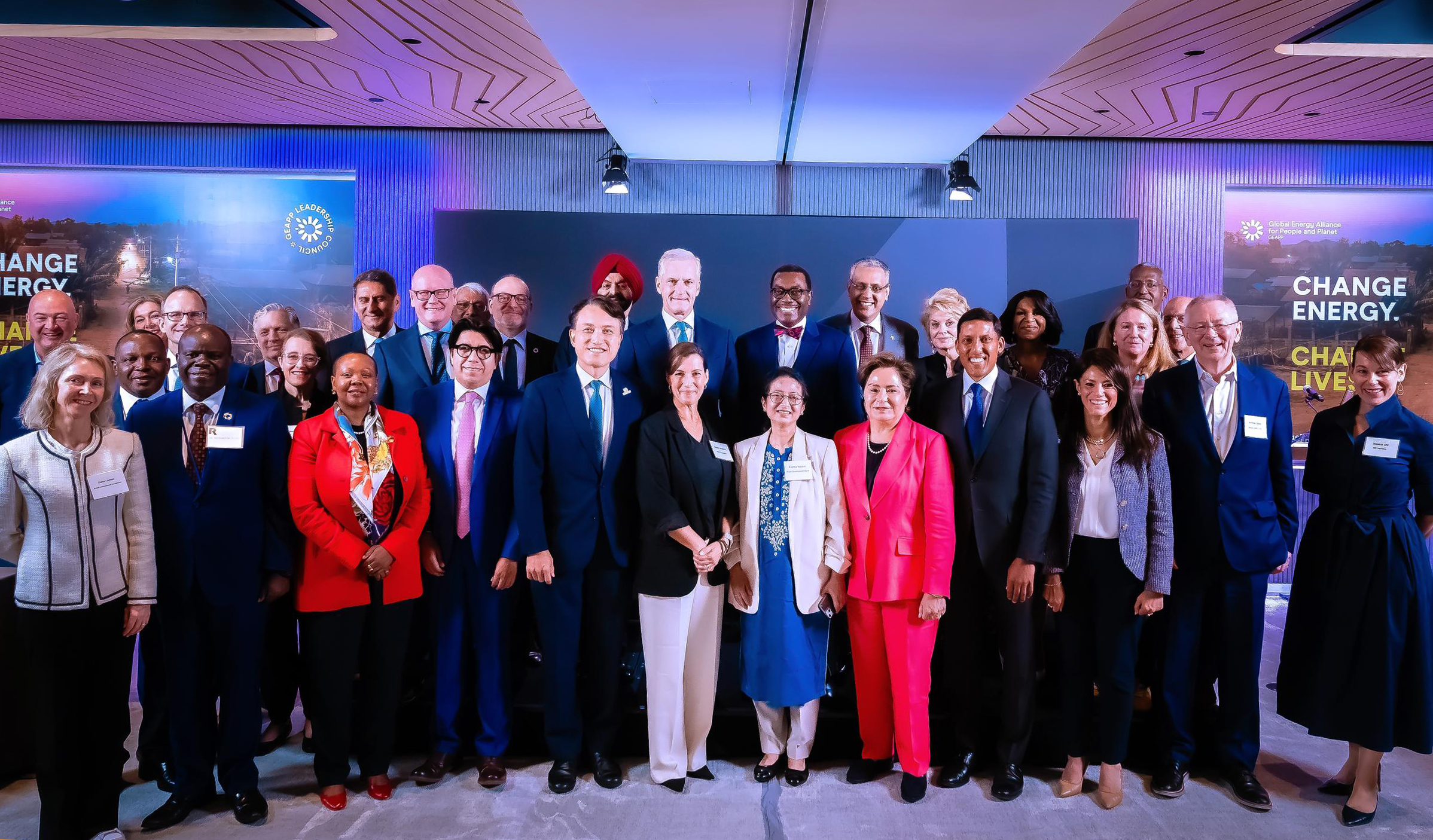
Fragmentation has long stalled progress. Under the NECs, the alliance is supporting compact delivery and monitoring units to institutionalise co-ordination across ministries, utilities and financiers.
The next step is expanding these units across more African countries, so productive use becomes a core metric of success, not an afterthought.
Africa’s gains in electrification form a strong foundation, but the next decade must convert that access into thriving local economies, robust value chains, and millions of jobs.
Achieving this will require governments, financiers and development partners to shift from “projects” to systems, from isolated pilots to market-building, and from electricity as a social service to electricity as the engine of economic transformation.
The continent has shown it can turn the lights on; the challenge now is ensuring those lights power prosperity.
Editor’s note: This blog was originally published on Sustainable Views.
Explore More
-
 Press ReleaseMission 300 Africa Energy Summit secures historic country…Mission 300 Africa Energy Summit secures historic country…30.01.2025Africa
 -
 Press ReleaseGEAPP Leadership Council Backs Transformational Plan to Electrify…GEAPP Leadership Council Backs Transformational Plan to Electrify…23.09.2024Global
 -
 Press ReleaseGEAPP Launches Climate Africa Warsha to Advance Renewable…GEAPP Launches Climate Africa Warsha to Advance Renewable…06.05.2024Africa