Key takeaways from delivering Malawi’s first utility-scale battery storage system

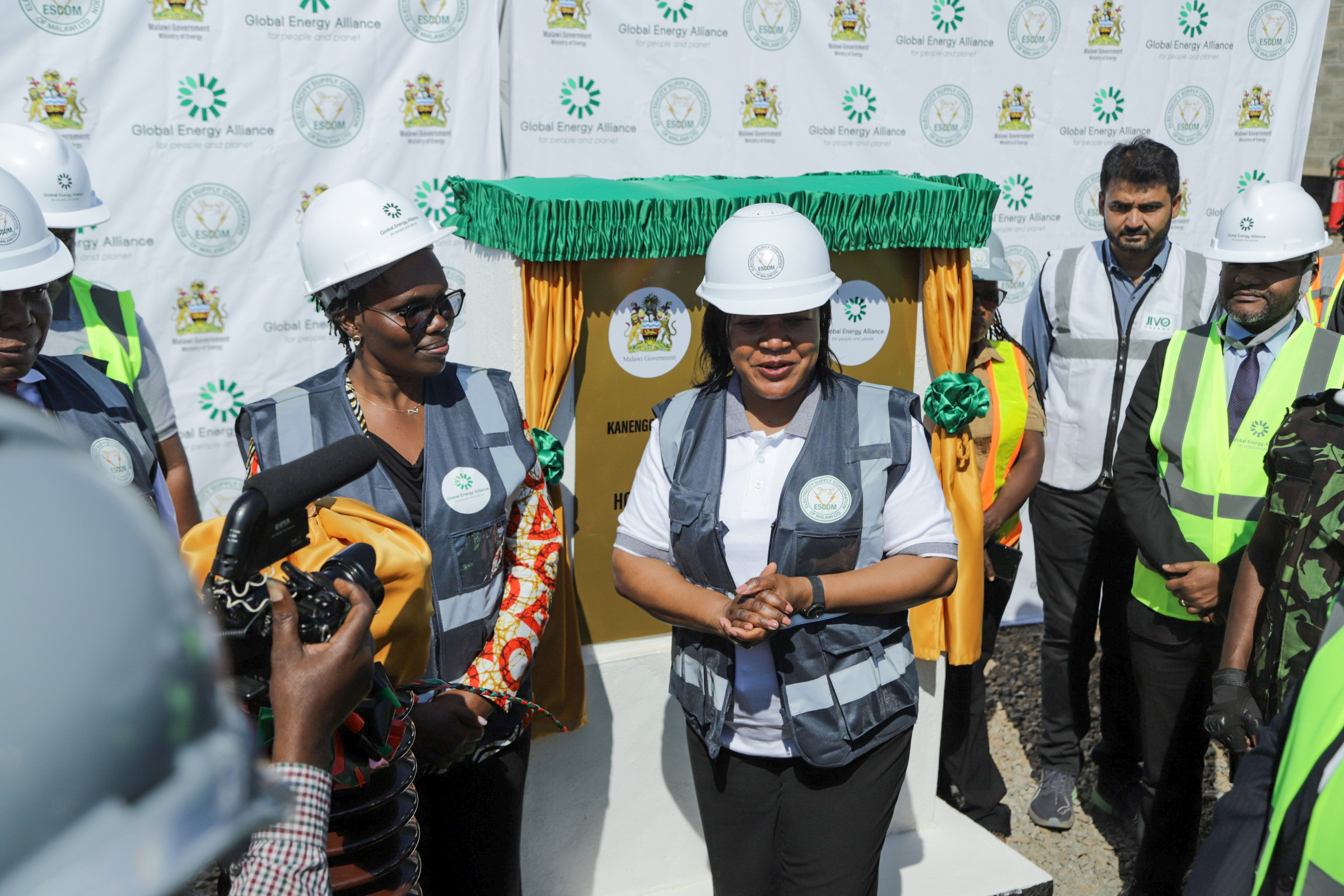
Malawi has switched on its first standalone utility-scale battery energy storage system (BESS), a 20MW/40MWh facility in Kanengo, Lilongwe.
Delivered by the Electricity Supply Corporation of Malawi (ESCOM) with support from Global Energy Alliance for People and Planet, the project will stabilize the national grid, cut costly diesel use and strengthen energy supply for more than two million Malawians.
The launch is a critical milestone in Malawi’s journey to energy sovereignty.
On July 26, 2026, Government, ESCOM and international partners gathered in Lilongwe to mark the launch. Here’s what they said about why this moment matters – for Malawi and beyond.
1. A first for Malawi, a model for Africa
The BESS is Malawi’s first standalone utility-scale battery storage project, capturing excess solar power by day and releasing it when the grid needs it most. Hon. Dr. Jean Mathanga, Minister of Energy, called it “the shock absorber our national grid has desperately needed,” noting that sudden drops in solar generation no longer have to mean energy insecurity. The facility proves that battery storage can convert intermittent renewable energy into steady, dispatchable supply – a model other African utilities can now replicate.
2. Proof that public-private-philanthropic partnerships deliver
The project is evidence that public-private-philanthropic partnerships can move fast and deliver real infrastructure. Dr. Justin Saidi, Chief Secretary to the Government, said the project shows “what can be achieved when the government machinery operates with efficiency, coordination, and purpose.”
Government provided policy leadership, tax waivers and regulatory clarity; ESCOM co-financed and managed the grant, delivering within budget; and the Global Energy Alliance supplied funding and technical support. This model of shared risk is a template for financing Africa’s next generation of energy infrastructure.
3. Real, measurable benefits for Malawians
The BESS is expected to reduce power interruptions for more than two million grid-connected Malawians, while reducing deemed energy charges from solar curtailment, and cutting ESCOM’s reliance on costly diesel generation. The project has already demonstrated voltage regulation and frequency management benefits to households and businesses connected to the grid.
As Carol Koech, VP Africa at Global Energy Alliance, said: “It is about jobs, functioning hospitals and businesses that can grow.”
To date, the project has trained 44 power sector officers and academics and given Malawian engineers and graduates hands-on construction experience, building homegrown technical capacity ahead of future regional rollouts.
4. A regional hub for future scale-up
Global Energy Alliance has funded the establishment of the Southern Africa BESS Centre of Excellence at Mzuzu University, extending the project’s impact well beyond Malawi’s borders.
The Centre will draw on real operations and maintenance data from the Kanengo BESS to guide future storage projects, and will train utilities, regulators, developers and financiers from across the region. As Carol Koech said; “What is built here in Malawi can serve and inspire the whole continent.”
5. Part of a bigger continental push
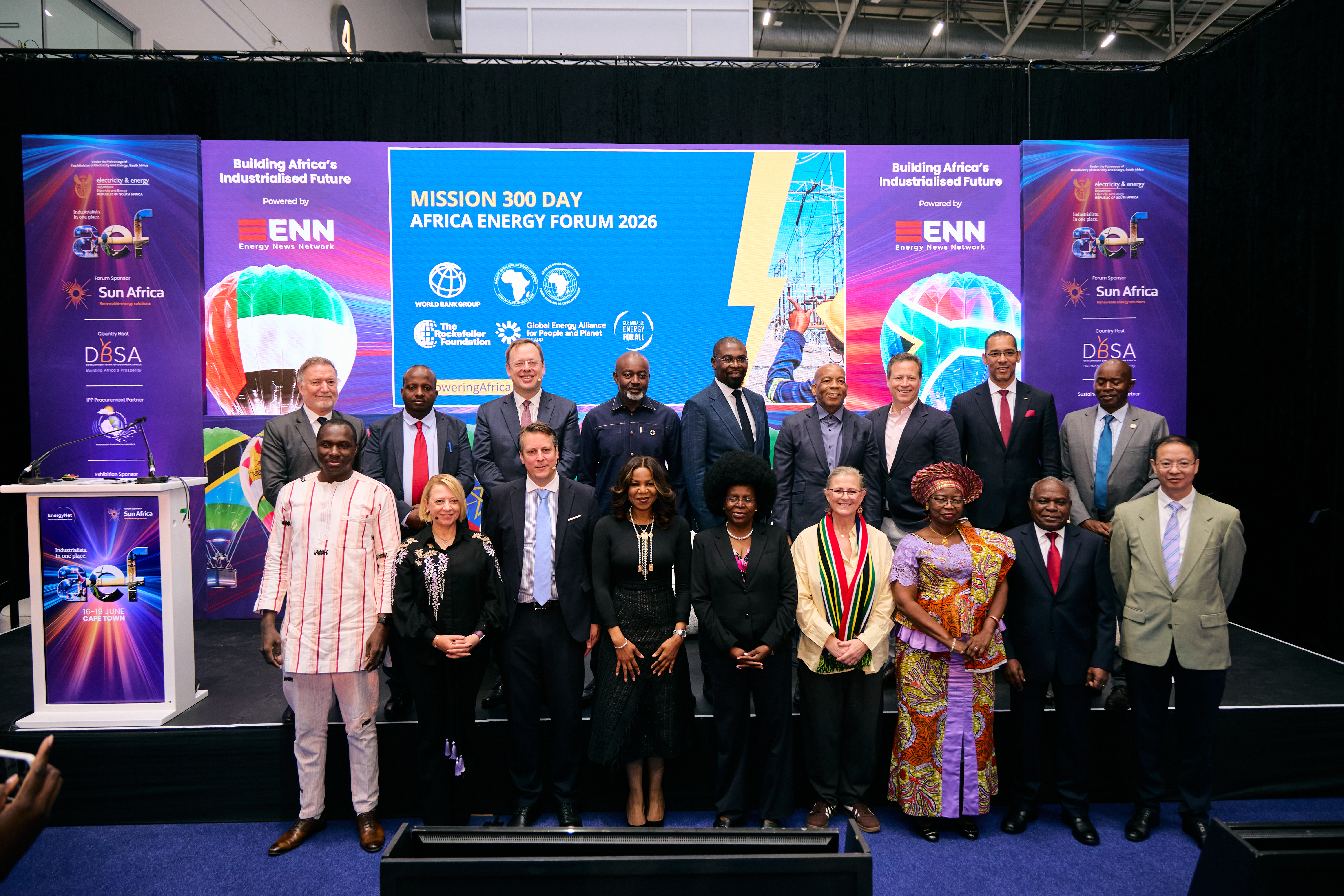
The commissioning supports Malawi’s National Energy Compact, which targets 70 percent electricity access by 2030, and aligns with Africa’s Mission 300 initiative to connect 300 million people to power continent-wide by the same year.
Hon. Dr. Jean Mathanga said the project proves “Malawi is not just a participant in the global energy transition” but a leader shaping it.
With continued donor confidence and a growing pipeline of similar partnerships, Malawi’s model offers other African countries a replicable, bankable pathway for storage-backed, clean energy-powered growth.
Explore More
-
 Malawi commissions first standalone utility-scale battery storage project…Malawi commissions first standalone utility-scale battery storage project…Press Release24.07.2026AfricaMalawi
 -
 5 Takeaways: What We Learned at the Africa…5 Takeaways: What We Learned at the Africa…Blog29.06.2026Africa
 -
 5 takeaways: what we learned at London Climate…5 takeaways: what we learned at London Climate…Blog01.07.2025Global