Powering Opportunity
The challenge and opportunity
1.2 billion young people will reach working age this decade. But current trends suggest the world will create only 420 million jobs. In emerging economies, small businesses – farmers, young entrepreneurs, women-led enterprises – form the backbone of job creation and economic growth. But even as energy access expands, high costs, unreliable supply and lack of tools and resources prevent many from turning access into jobs and opportunity.
Energy delivers the greatest return when we look beyond connections to how and where electricity is used. When it is integrated into every sector – agriculture, manufacturing, water systems, healthcare, education and beyond – and deployed alongside the tools, training and finance that enables people to use power productively, energy can help address the global jobs crisis and improve millions of lives. By taking this systems approach, we can create millions of jobs and improve the quality of millions more.
This is how infrastructure becomes economically viable, markets become self-sustaining, energy becomes opportunity, and lasting change takes hold.
A powerful foundation



Our projects
Our projects
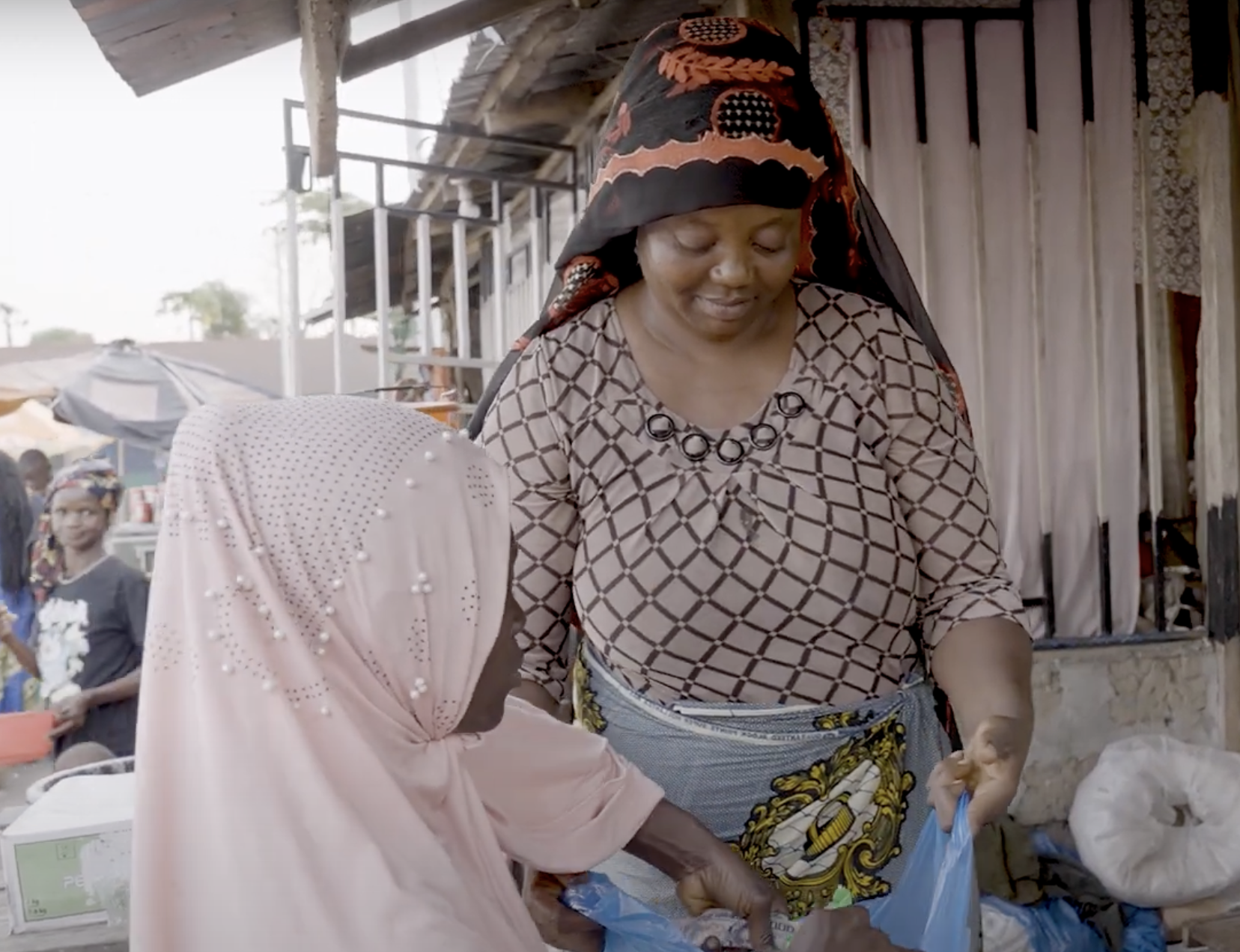
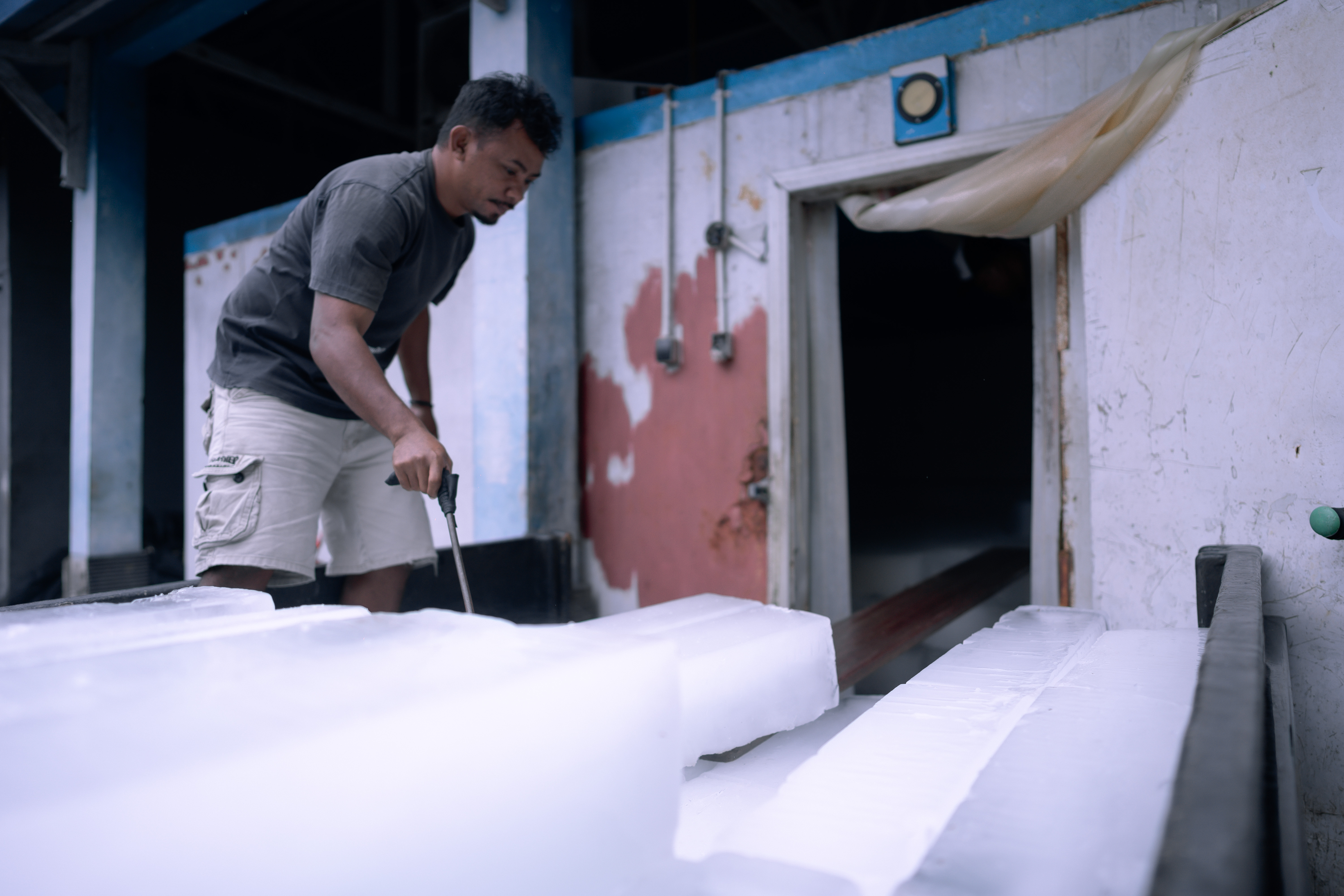
Decentralized Renewable Energy for Women’s Economic Empowerment (DEWEE)
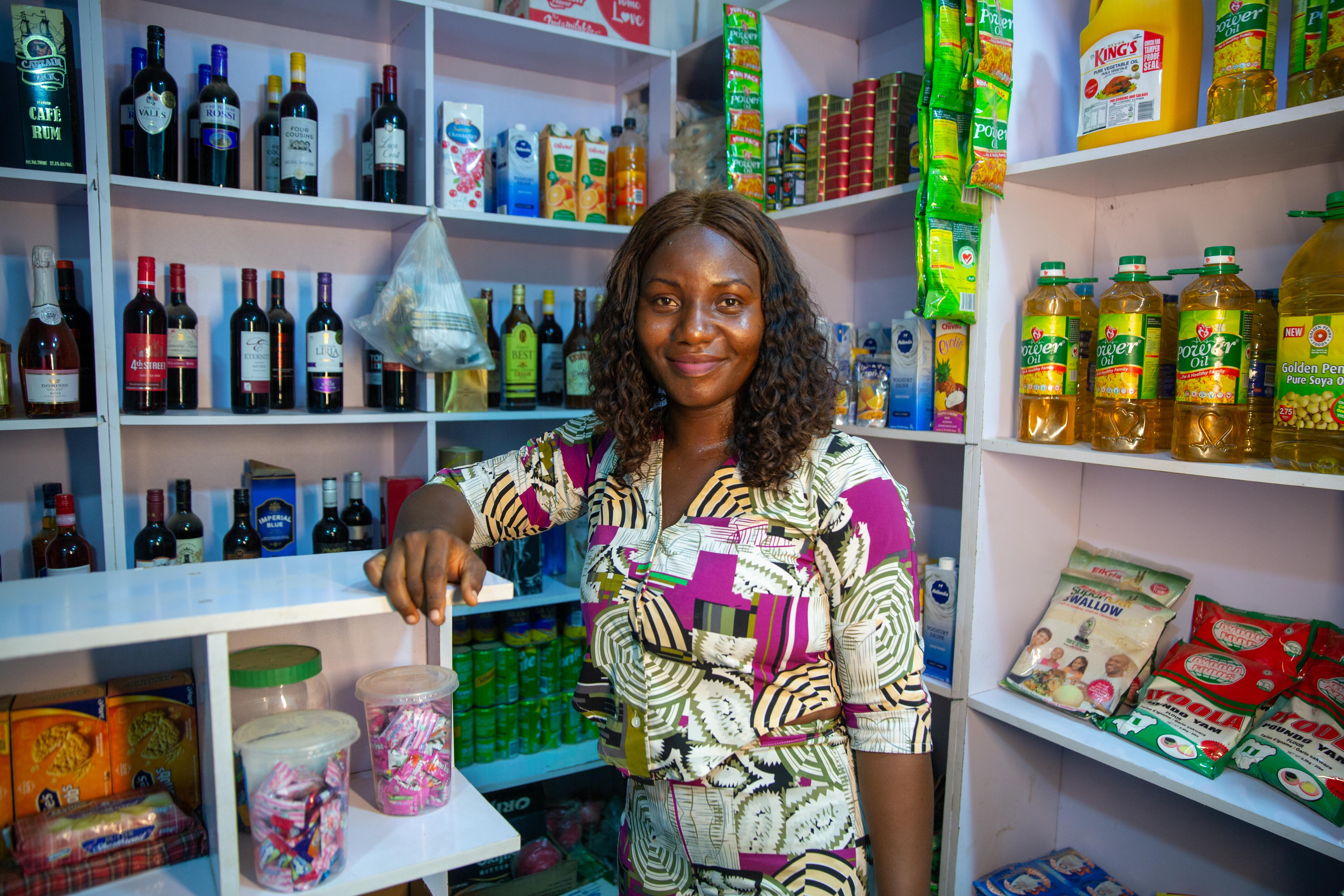
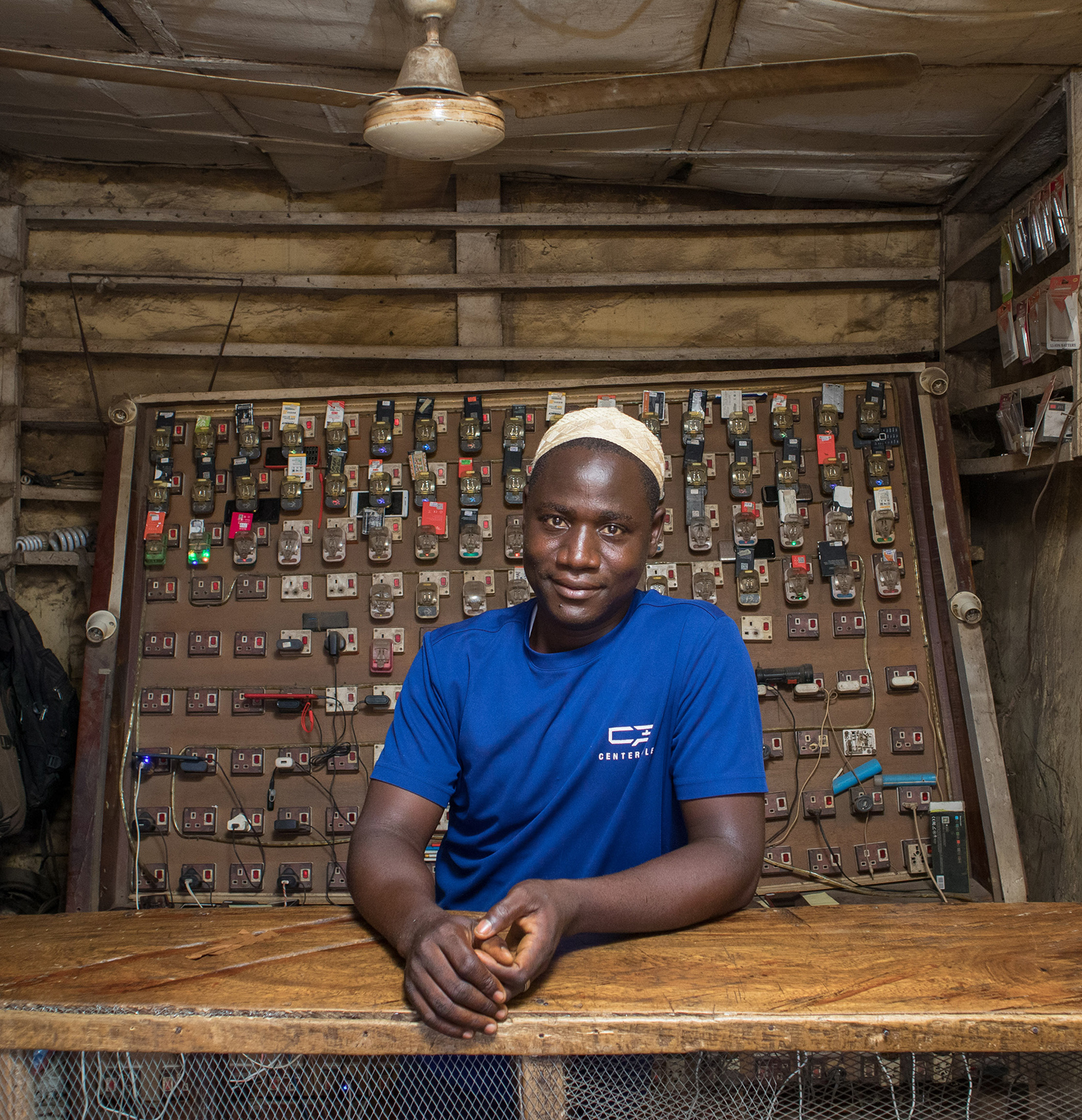
Energizing Women and Youth in Agri-Food Systems Program (EWAS)
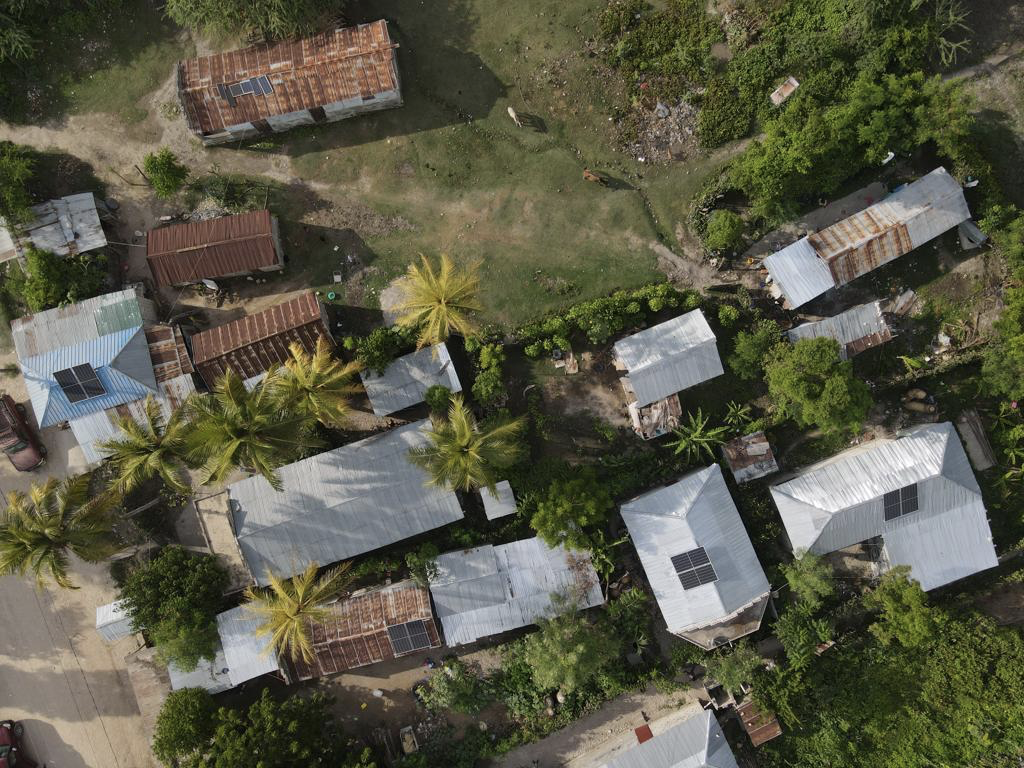
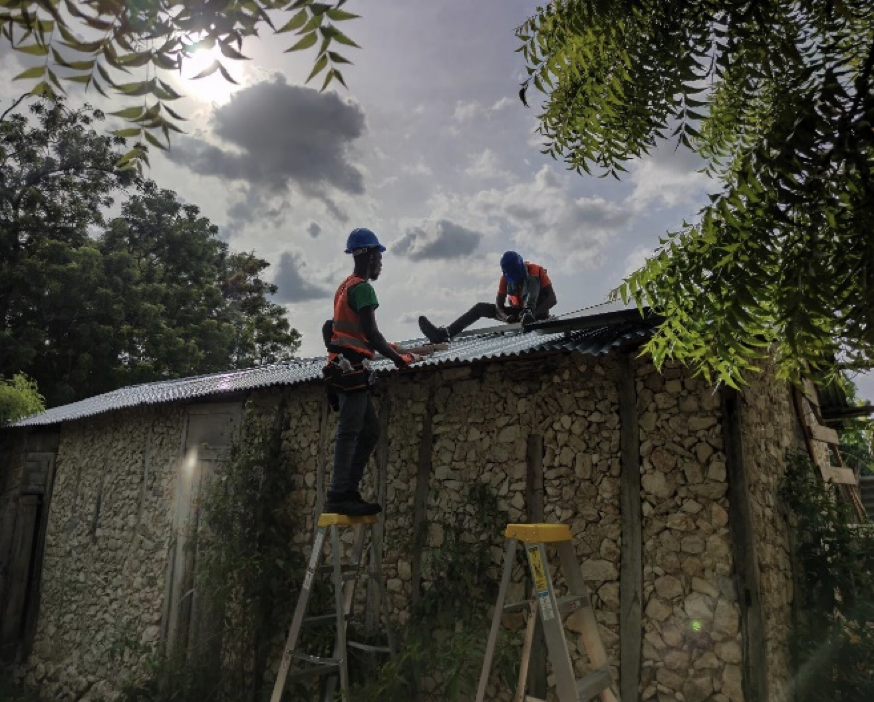
Haiti mesh grids
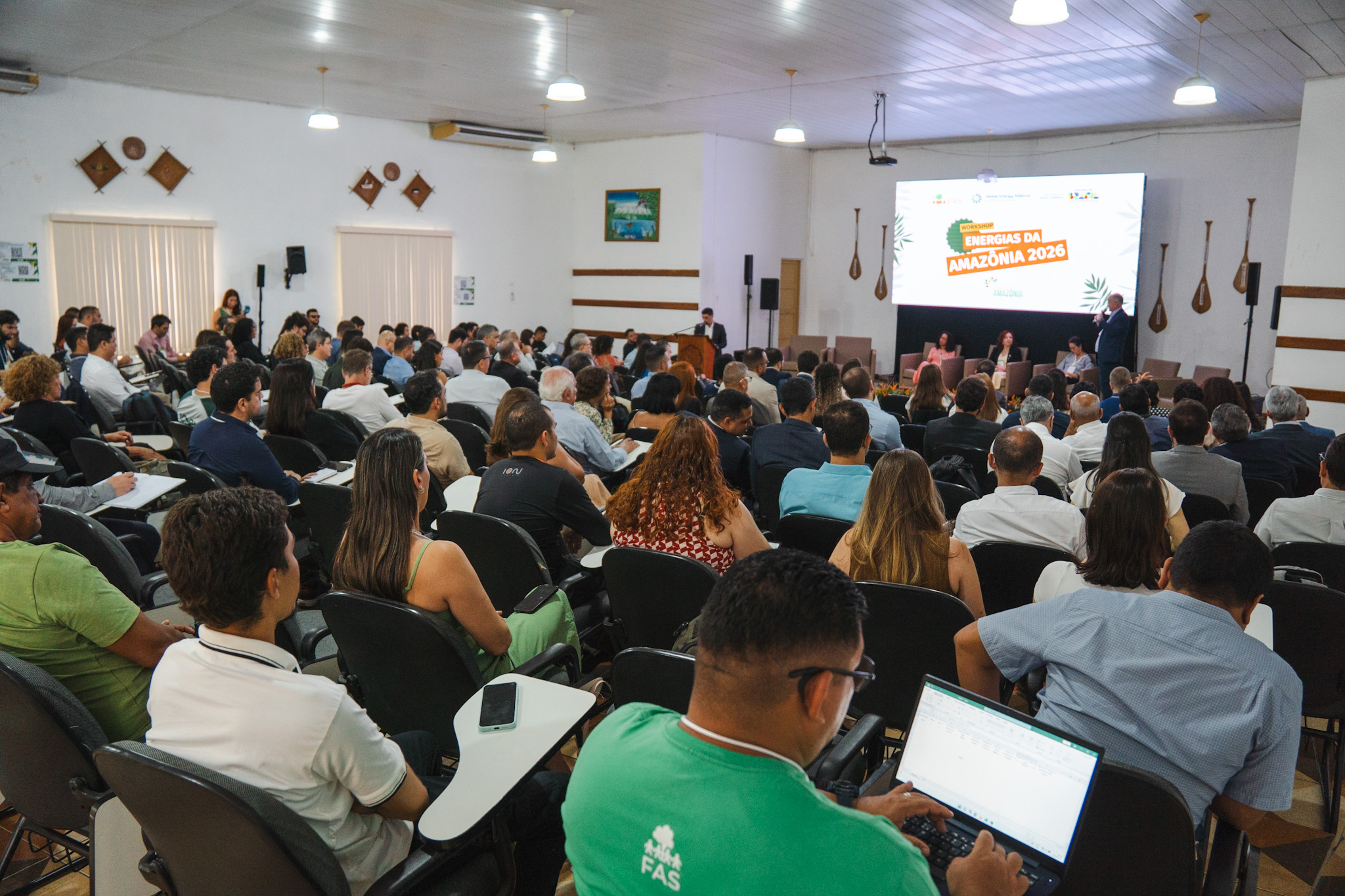
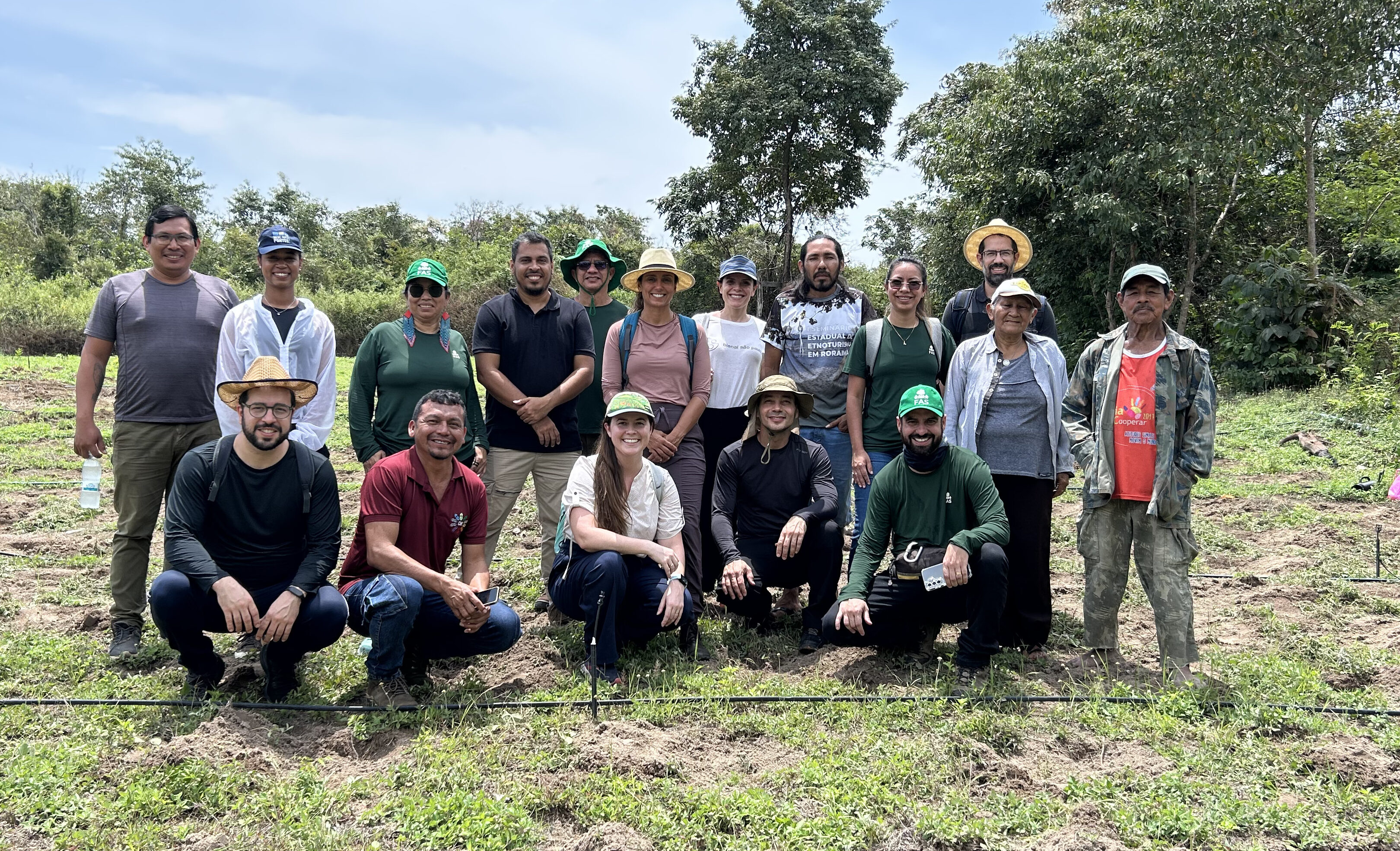
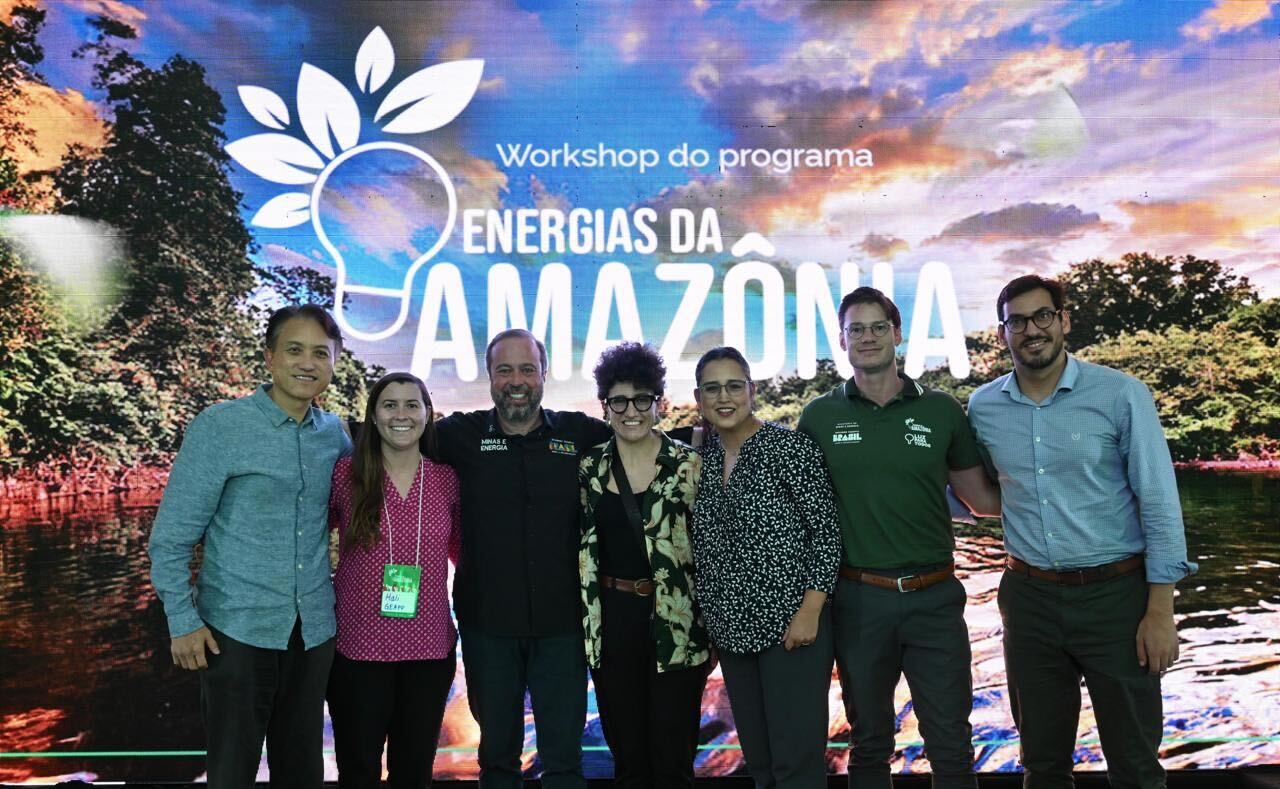
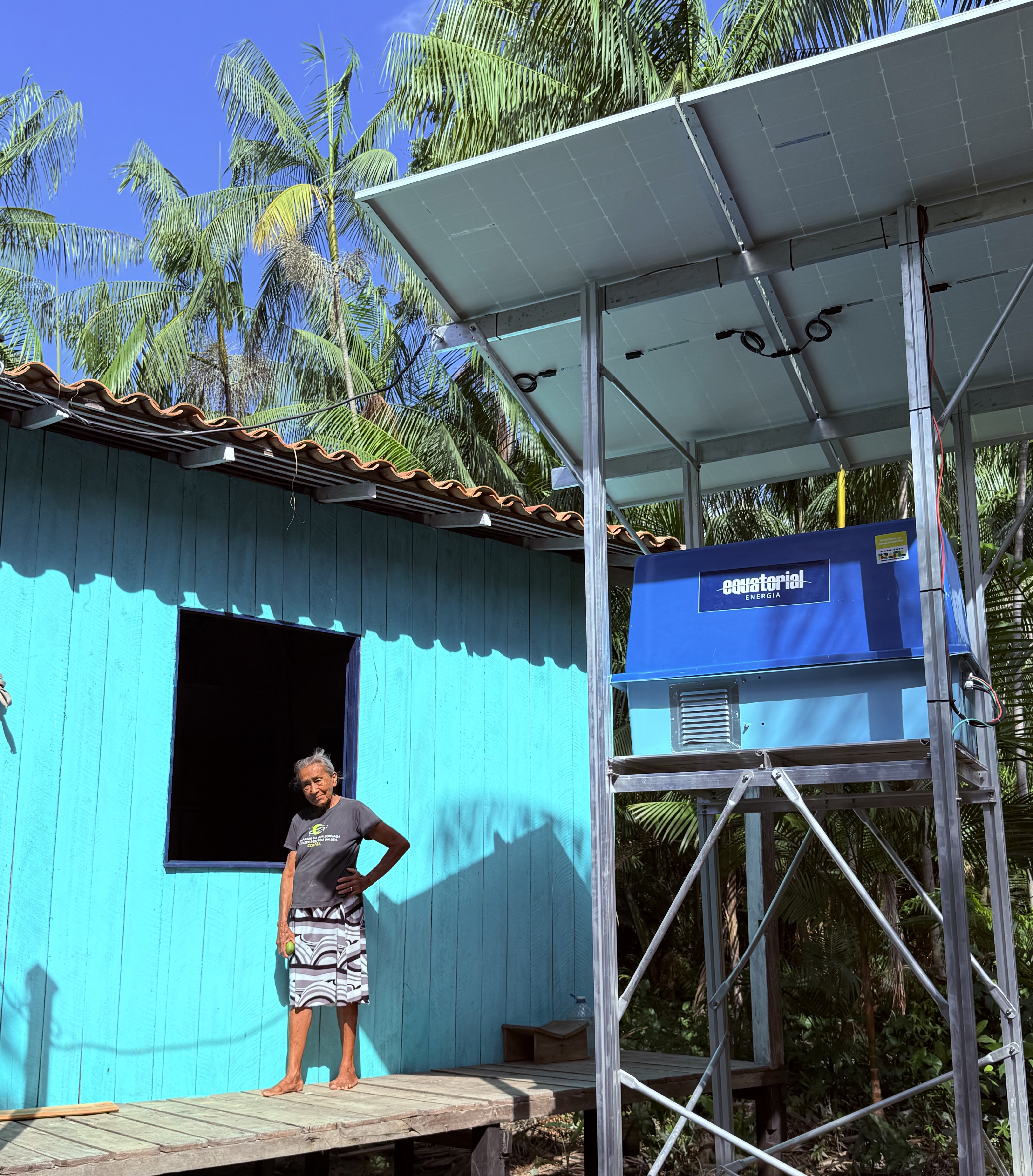
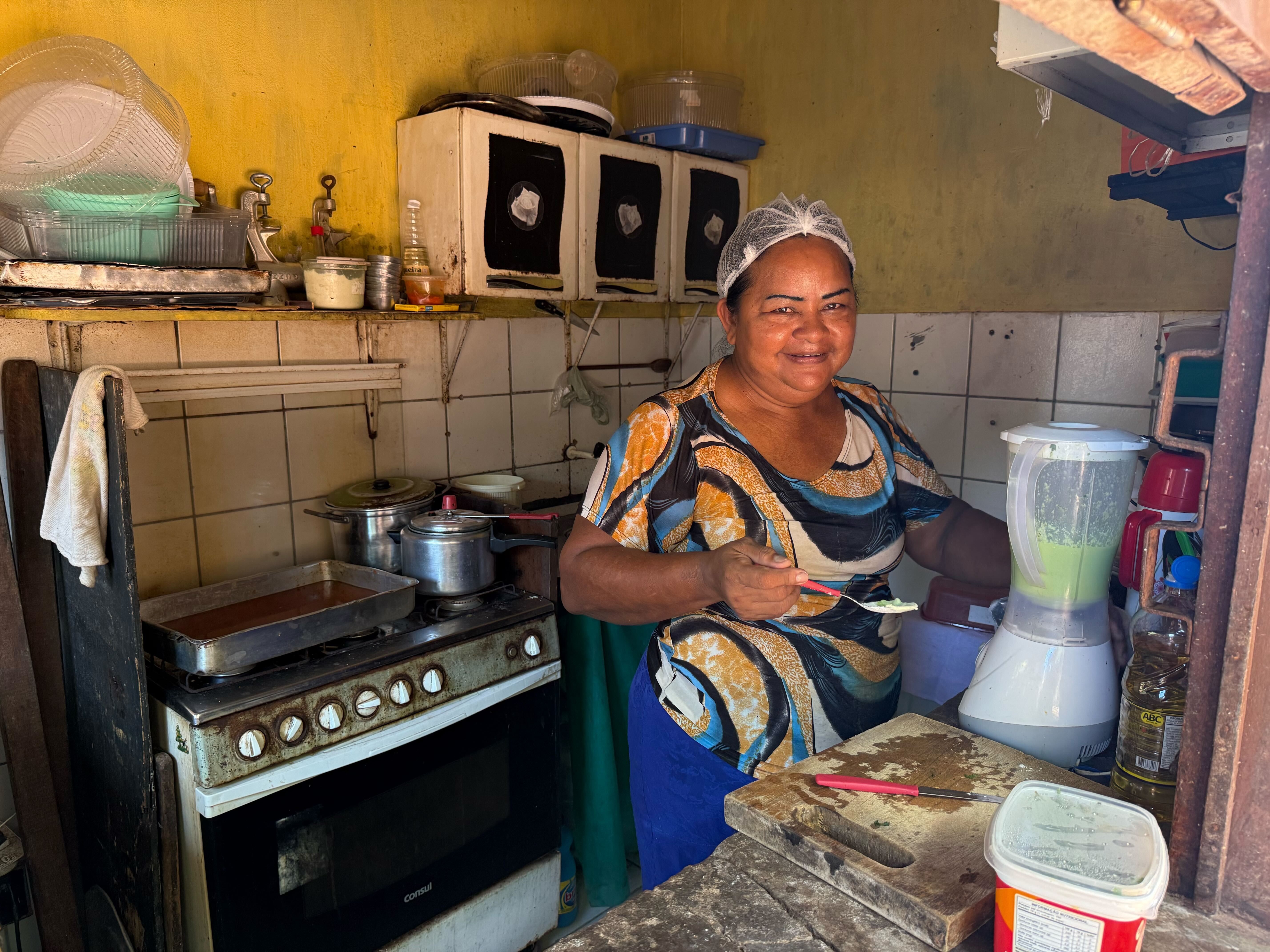
Luz na Floresta
Universal Access Coalition (UAC)
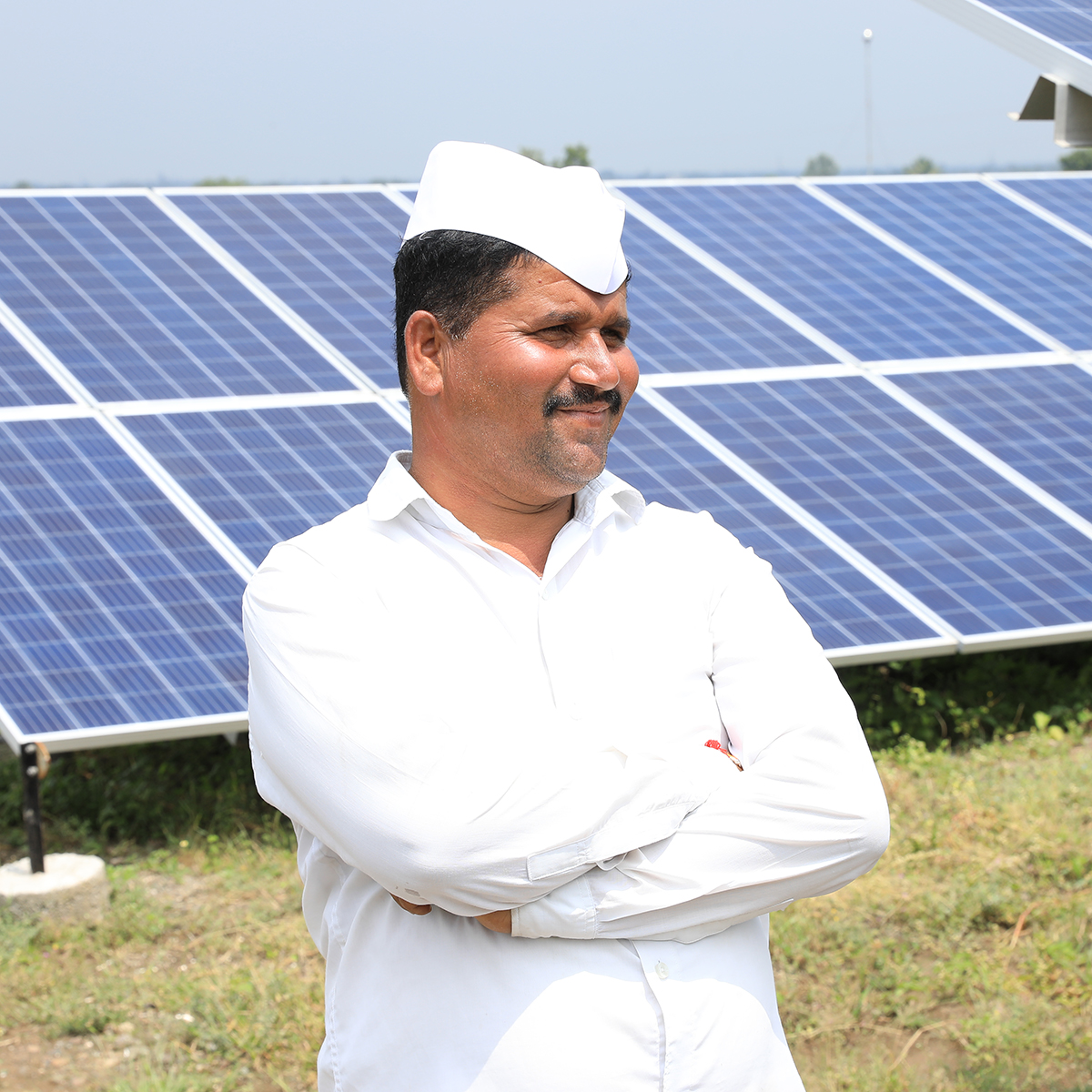
Unlocking opportunity for agricultural communities across Rajasthan (PM-KUSUM)

The pathway to scale
With programs delivering impact worldwide, we now need a platform that facilitates collaboration, coordinates large scale investments, reduces fragmentation and takes this progress to scale.
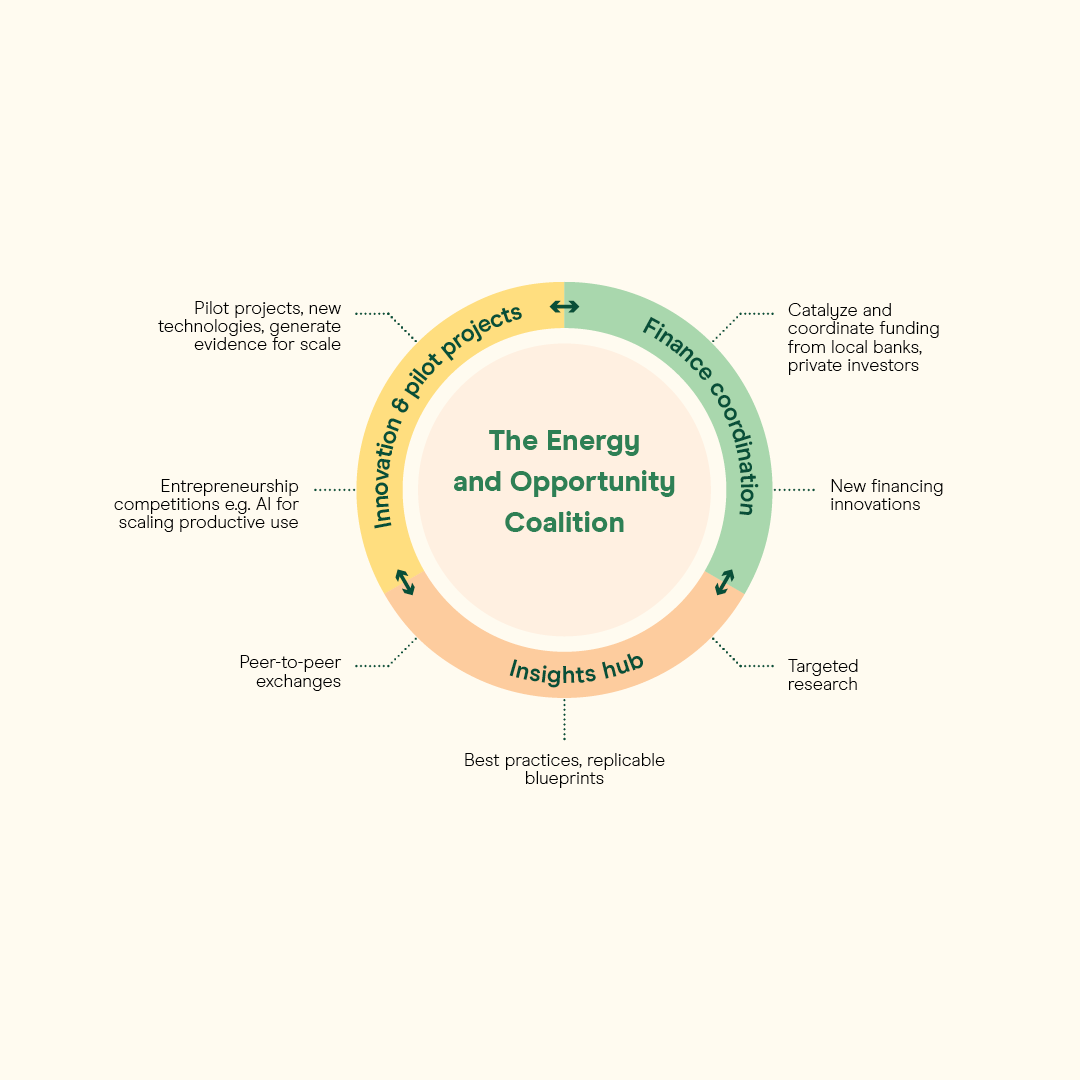
The Global Energy Alliance for People and Planet invites partners to help design and build an Energy and Opportunity Coalition that unites governments, funders, developers, businesses and community-based organizations to mobilize resources and drive progress in countries and regions where conditions are ripe for systems-wide change. The Coalition will build country and regional alliances to co-create scalable solutions, supported by strong intelligence, innovation and financing.
Together, these country-led programs will devise strategic, context-specific solutions built on shared learnings and best practices across geographies.
Using this coalition-driven approach, we will transform isolated projects into coordinated, self-sustaining, systems-level action. Together we will harness the power of electricity to create and improve millions of jobs and unlock inclusive, sustainable economic growth at scale.
Energy and Opportunity in action
-
 BlogA year of energy and opportunityA year of energy and opportunity19.12.2025Global
 -
 Press ReleaseAt COP30 Government of Brazil and the Global…At COP30 Government of Brazil and the Global…15.11.2025BrazilLatin America & Caribbean
 -
 BlogUnlocking energy, jobs and opportunity for Africa’s growing…Unlocking energy, jobs and opportunity for Africa’s growing…16.06.2025Africa
 -
 Distributed Renewable Energy (DRE)
Energizing Agriculture Through Productive Uses of Energy
Nigeria -
 Just Energy Transition
Energizing Women and Youth in Agri-Food Systems Program
AfricaEthiopiaNigeria -
 BlogIt is time to turn megawatts into markets…It is time to turn megawatts into markets…03.02.2026Africa
 -
 MultimediaMesh grids in HaitiMesh grids in Haiti09.10.2024HaitiLatin America & Caribbean
 -
 Press ReleaseBrazil and Global Energy Alliance advance clean energy…Brazil and Global Energy Alliance advance clean energy…11.02.2026BrazilLatin America & Caribbean
 -
 BlogAfrican electrification requires public and private support. Models…African electrification requires public and private support. Models…07.04.2025Africa
 -
 BlogFrom the Amazon to the world: Brazil’s blueprint…From the Amazon to the world: Brazil’s blueprint…03.11.2025BrazilLatin America & Caribbean
 -
 Press ReleaseMinistry of Energy of Brazil and GEAPP Convene…Ministry of Energy of Brazil and GEAPP Convene…22.11.2024BrazilLatin America & Caribbean
 -
 Press ReleaseTariff Inequities Strain Brazil’s Poorest: New GEAPP &…Tariff Inequities Strain Brazil’s Poorest: New GEAPP &…07.05.2025BrazilLatin America & Caribbean