Solar now powers irrigation, rice milling and milk cooling for about 5,000 farmers in Malawi

LILONGWE, MALAWI | 30 September 2026 – Solar energy is powering irrigation, rice milling and milk cooling for about 5,000 smallholder farmers across seven districts in Malawi, as the country demonstrates how distributed renewable energy can directly support agricultural production and livelihoods.
The solar power systems are being commissioned under the Catalyzing Distributed Renewable Energy Solutions for Agriculture in Malawi – Ag-Energy component of the Energising Development (EnDev) programme, implemented by Deutsche Gesellschaft für Internationale Zusammenarbeit (GIZ) on behalf of the German Cooperation in partnership with the Government of Malawi, with co-financing from the Global Energy Alliance for People and Planet.
The three-day commissioning programme brings together the Ministries of Energy and Agriculture, Irrigation and Water Development, GIZ, Global Energy Alliance, cooperatives, farmer organisations and other partners to formally hand over the systems to the local institutions that will own, manage and operate them.
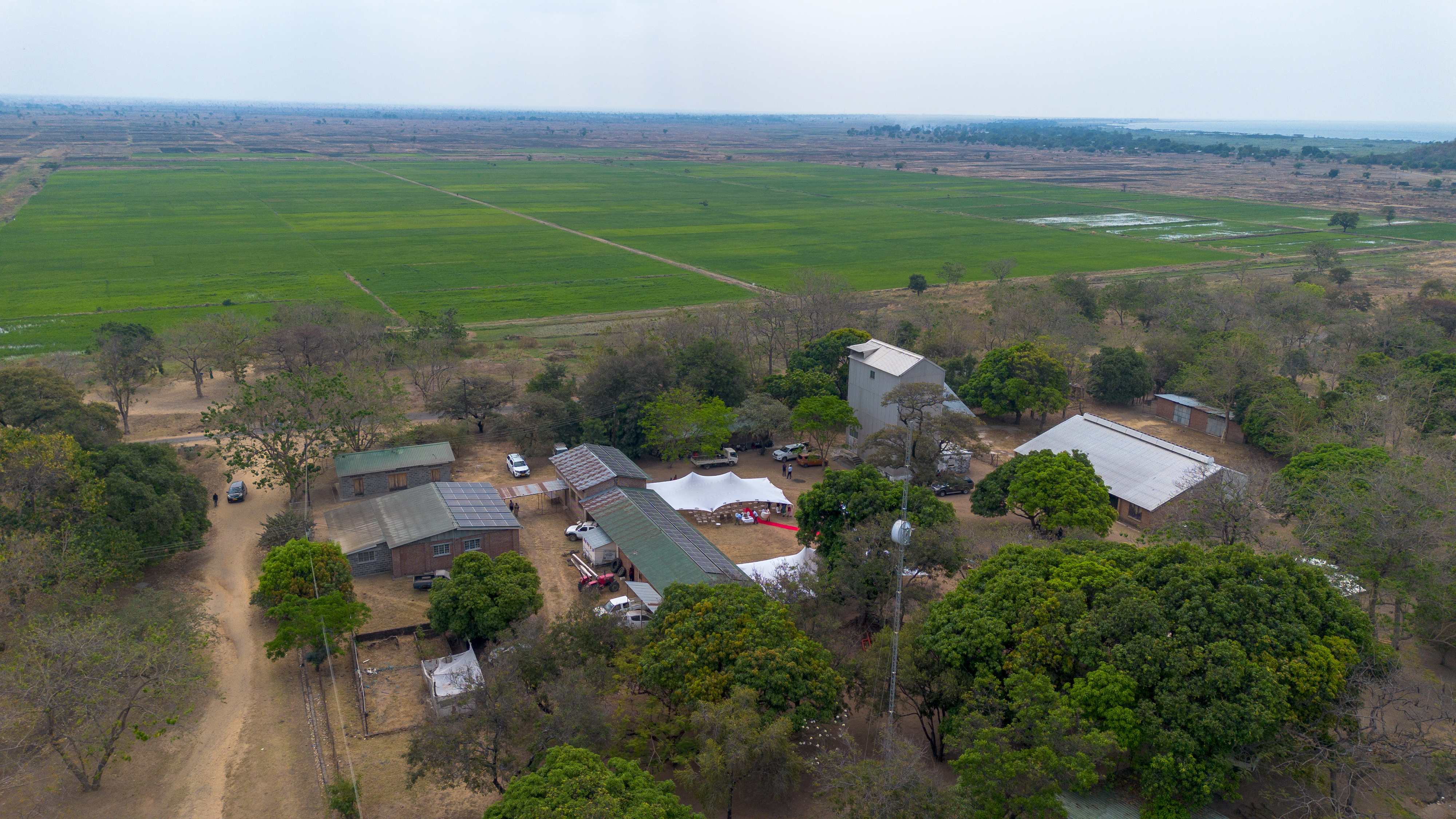
The programme starts on 30 September in Salima, on the sidelines of the 2026 National Energy Conference, with the commissioning of solar systems at the Lifuwu Irrigation Scheme. Delegations will visit solar-powered milk cooling facilities in the Shire Highlands on 1 October, before concluding with the commissioning of the solar plant at Phata Sugarcane Out-growers’ Cooperative in Chikwawa on 2 October.
The four interventions demonstrate different applications of distributed renewable energy across agricultural value chains.
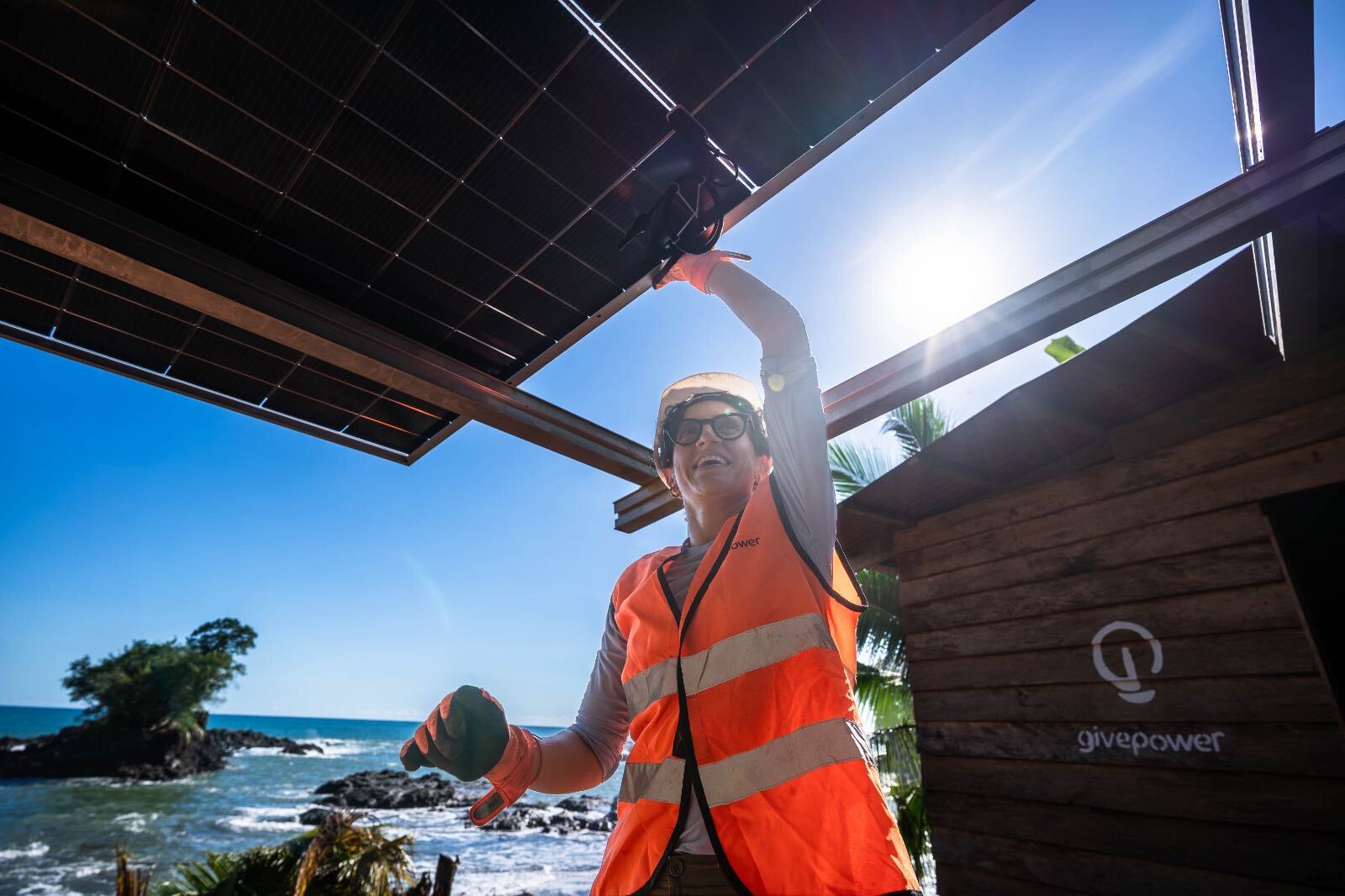
At Lifuwu Irrigation Scheme in Salima, a 210 kWp solar PV system with 165 kWh of battery storage powers irrigation pumps. A separate 36 kWp solar system with 50 kWh of battery storage supports rice milling and packaging. The installations directly benefit 465 smallholder farmers and form part of the scheme’s permanent infrastructure.
At Phata Sugarcane Out-growers’ Cooperative in Chikwawa, a 648.68 kWp solar plant supplies power for irrigation pumping. The cooperative has 1,150 members cultivating about 615 hectares of sugarcane. Frequent grid outages had disrupted irrigation and increased reliance on diesel generation, contributing to an estimated 10 per cent loss in potential sugar output.
In the Shire Highlands, solar systems have been installed at five Milk Bulking Groups in Thyolo, Mulanje and Chiradzulu. The systems have a combined capacity of 60.9 kWp and support milk cooling, while energy-efficient cooling equipment has also been installed at selected sites. The intervention benefits approximately 2,340 smallholder dairy farmers.
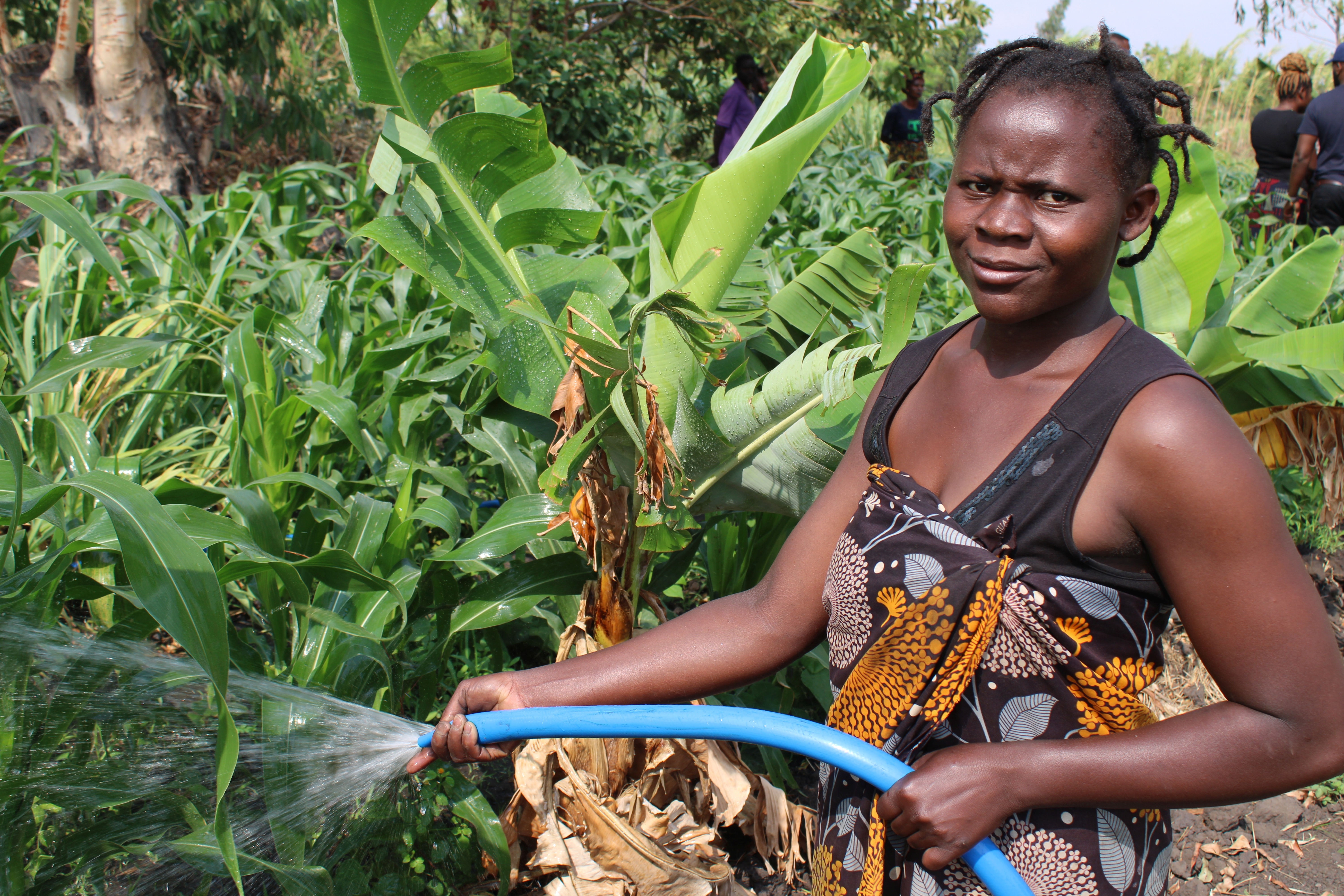
The fourth intervention supported the market-based deployment of 157 portable solar water pumps in Kasungu and Mchinji. To date, the pumps have reached 552 farmers, with eligible farmers accessing them through a 50 per cent subsidy.
Together, the interventions demonstrate how renewable energy can be integrated directly into agricultural production and processing, reducing dependence on expensive diesel and supporting farmers and cooperatives to manage energy costs and reliability, critical drivers for agricultural productivity
The four interventions were selected from an initial pipeline of 25 projects identified by Global Energy Alliance in partnership with the Government of Malawi. The experience is expected to inform further deployment of distributed renewable energy, with the partners estimating potential to reach at least 50,000 additional farmers with irrigation and processing equipment, requiring at least 5 MWp of solar capacity, and support low-carbon cooling for a further 7,000 farmers.
The evidence generated through the four interventions will contribute to the development of further investment approaches for distributed renewable energy in agriculture, including potential support through recoverable grants, concessional finance, project preparation and technical assistance.
The investments strengthened local technical skills through practical training program coordinated by Umodzi Consulting, a locally owned advisory company with a strong local presence. Five young graduates developed hands-on skills in irrigation system operation and maintenance, dairy bulking group support and portable pump management, equipping them for future opportunities in the agricultural sector.
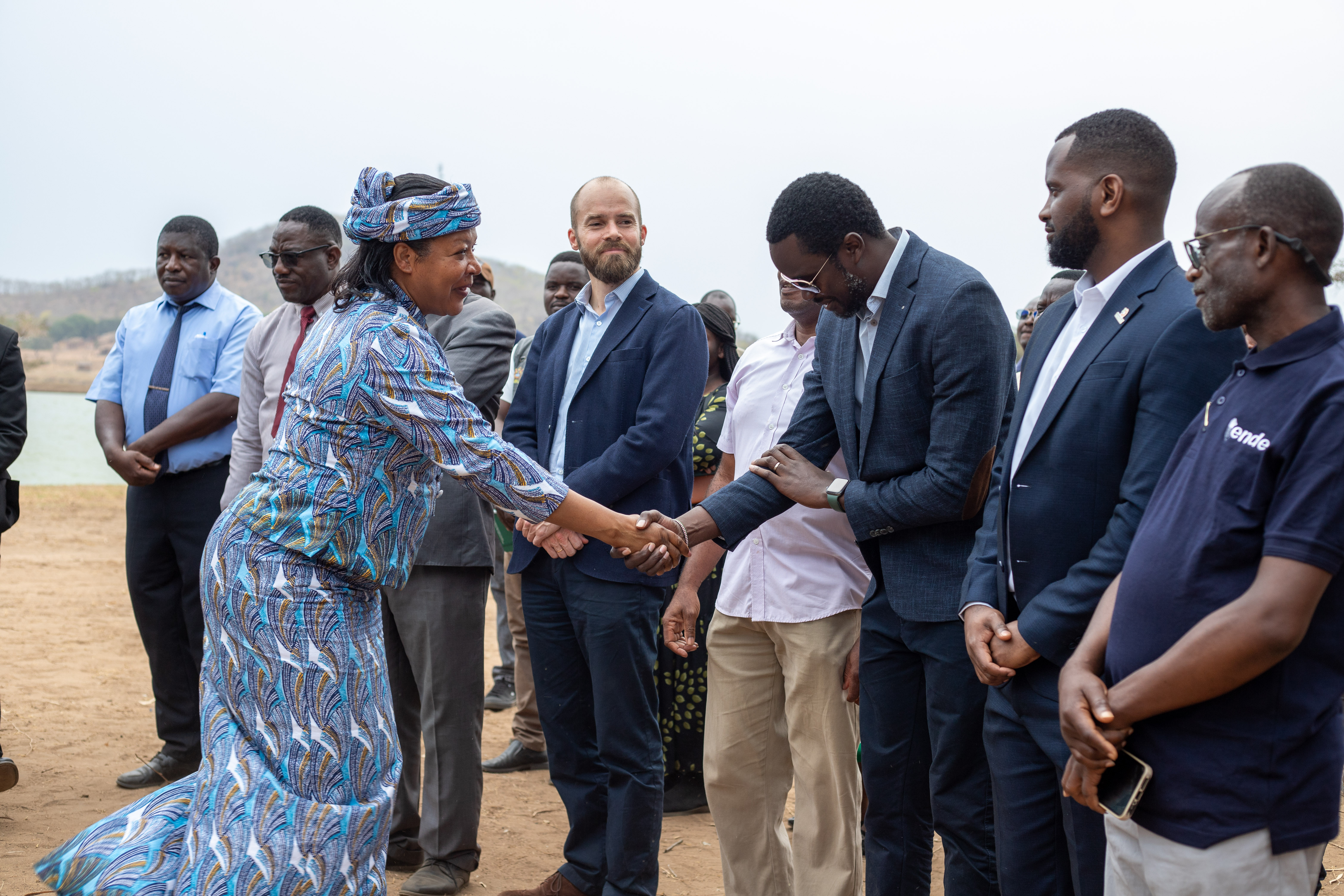
Speaking at the event, Minister of Energy Hon. Dr Jean Mathanga, MP, said the investment demonstrated how energy could directly support productive sectors such as agriculture.
“Malawi’s energy policy has to answer a practical question: what does the electricity do once it arrives? At Lifuwu and Phata it pumps water, mills rice and keeps milk cold, and it does so without diesel and without waiting for the grid. My Ministry will use the evidence from these sites to shape rules and incentives that bring more of this investment to Malawian agriculture.”
Secretary for Agriculture, Irrigation and Water Development, Erica Maganga, said the systems would help farmers increase production while reducing losses along the agricultural value chain.
“Irrigation is the difference between one harvest and two, and a cold chain is the difference between milk sold and milk lost. These systems now belong to the cooperatives, and the Department of Irrigation and our extension teams will work with them to keep the pumps running and to bring more land under irrigation. This is how we increase yields and safeguard farmers’ incomes.”
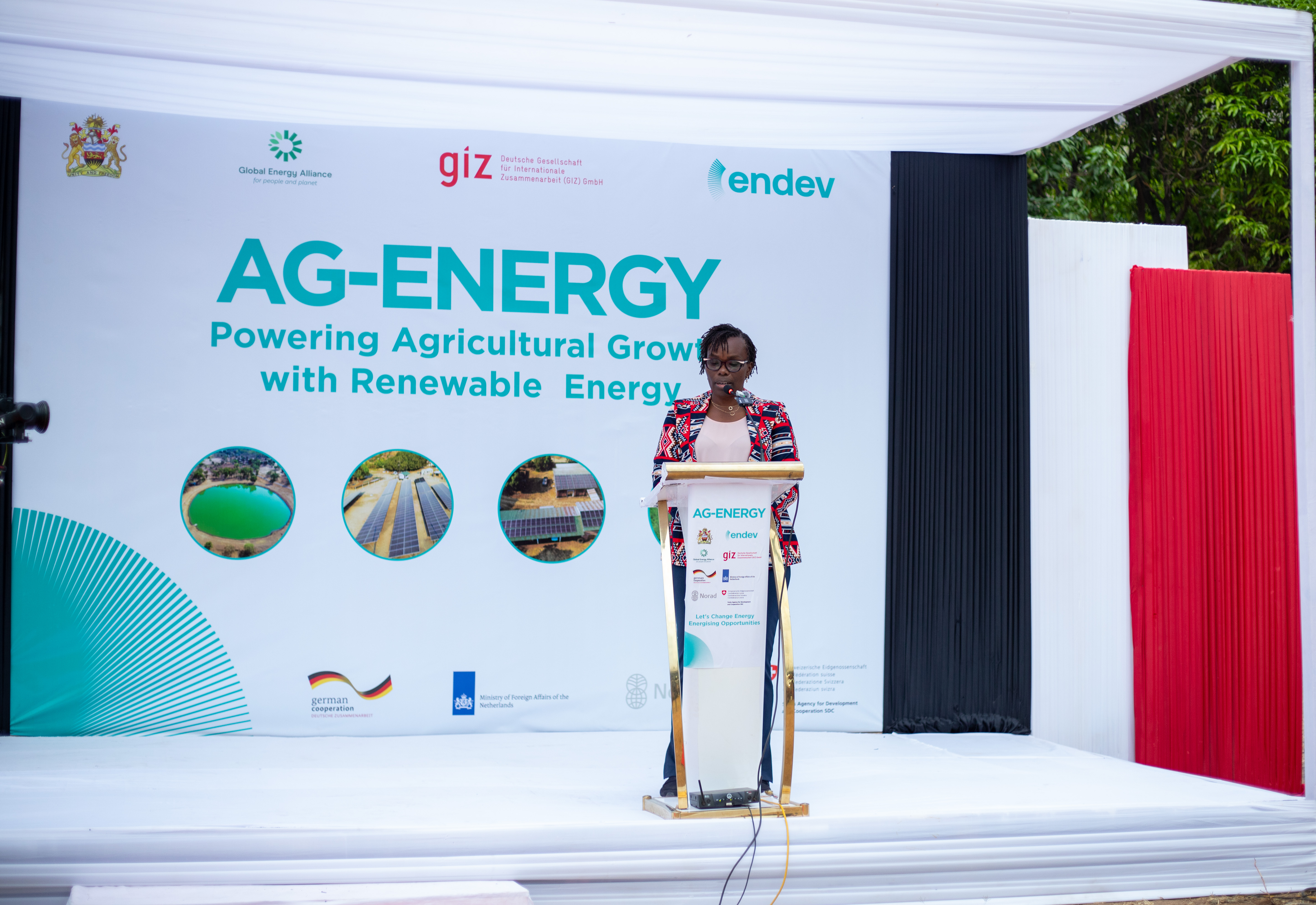
For Global Energy Alliance for People and Planet, Vice President for Africa Carol Koech said the initiative was designed to demonstrate how distributed renewable energy can be applied to practical agricultural needs and generate evidence for further investment.
“Access to energy is where the work starts. What raises a farmer’s income is the pump, the mill or the cooling tank that the electricity runs, and the finance and market that make those worth investing in. Malawi has shown that this works at a commercial scale with cooperatives in charge. We selected these four components from a pipeline of 25 to demonstrate what distributed renewable energy can deliver in agriculture and to generate evidence for further investment.”
On the occasion, GIZ Malawi Resident Country Director Dr Inge Baumgarten said the project had also tested whether solar energy could reliably power productive agricultural activities while enabling farmer organisations to own and operate the systems.
“We set out to whether solar could reliably power the equipment and activities that farmers and agribusinesses depend on in Malawi, and whether farmers’ organisations could own and run the systems. The commissioning marks an important step in that process. Our thanks go to the cooperatives, the Ministry of Agriculture through the Department of Irrigation, the Ministry of Energy, the contractors and the young professionals who contributed to the work.”
Commissioning programme
Wednesday, 30 September 2026 – Salima District, Central region
Commissioning of the Lifuwu Rice Irrigation Scheme solar systems.
Thursday, 1 October 2026 – Shire Highlands, Southern region
Visits to solar-powered Milk Bulking Groups.
Friday, 2 October 2026 – Chikwawa District, Southern region
Commissioning of the solar plant at Phata Sugarcane Out-growers’ Cooperative Irrigation Scheme.
For media enquiries
Global Energy Alliance for People and Planet: media@energyalliance.org
GIZ – EnDev Malawi: mathews.malata@giz.de
About GIZ and EnDev
Deutsche Gesellschaft für Internationale Zusammenarbeit (GIZ) GmbH implements international cooperation projects on behalf of the German Government and other partners.
In Malawi, the Energising Development (EnDev) programme works with the Government of Malawi, the private sector and other partners to expand access to modern energy for households, social institutions and productive use. The Malawi Ag-Energy component forms part of this broader programme and focuses on the productive use of distributed renewable energy in agriculture.
About Global Energy Alliance for People and Planet
Global Energy Alliance for People and Planet is a global nonprofit that builds public, private and philanthropic partnerships to accelerate clean energy and economic opportunity. Founded in 2021 by The Rockefeller Foundation, IKEA Foundation and Bezos Earth Fund, we build the technical, financial and institutional foundations that make clean energy investable and scalable across emerging economies. Our work is anchored in two mutually reinforcing global pillars that together address the market fragmentation that has historically slowed down progress on energy access and economic development.
Grids of the Future strengthens energy supply through AI-enabled, renewables-ready power grids. Powering Opportunity builds demand, helping people harness clean energy to power businesses, create jobs and drive economic growth. Together, these pillars create a reinforcing cycle of abundant energy and economic opportunity. With 130 projects across Africa, Asia and Latin America and the Caribbean, we are on track to reach 91 million people with clean energy, create or improve more than 3 million jobs and prevent nearly 300 million tons of carbon emissions. For more information, please visit www.energyalliance.org and follow us on LinkedIn.
Explore More
-
 BlogMeet our Global Ambassador from Kenya: Fred Munene…Meet our Global Ambassador from Kenya: Fred Munene…14.09.2026AfricaKenya
 -
 BlogBuilding a market for solar-powered tools, builds productivity…Building a market for solar-powered tools, builds productivity…27.05.2026AfricaMalawi
 -
 BlogSunCulture: Empowering Africa’s Farmers Through Solar-Powered IrrigationSunCulture: Empowering Africa’s Farmers Through Solar-Powered Irrigation07.05.2025Africa