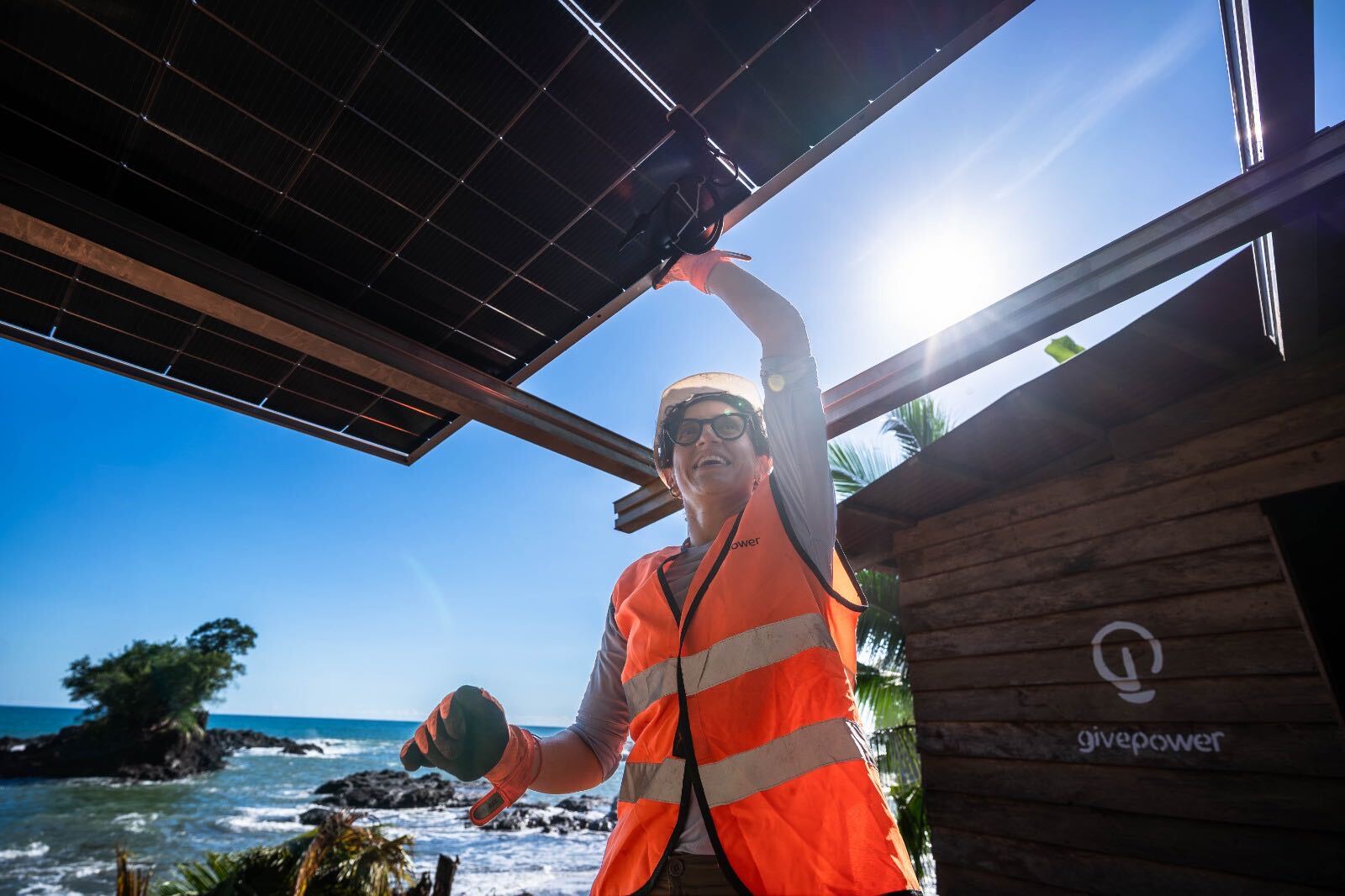

From clean energy to clean seas
Our challenge
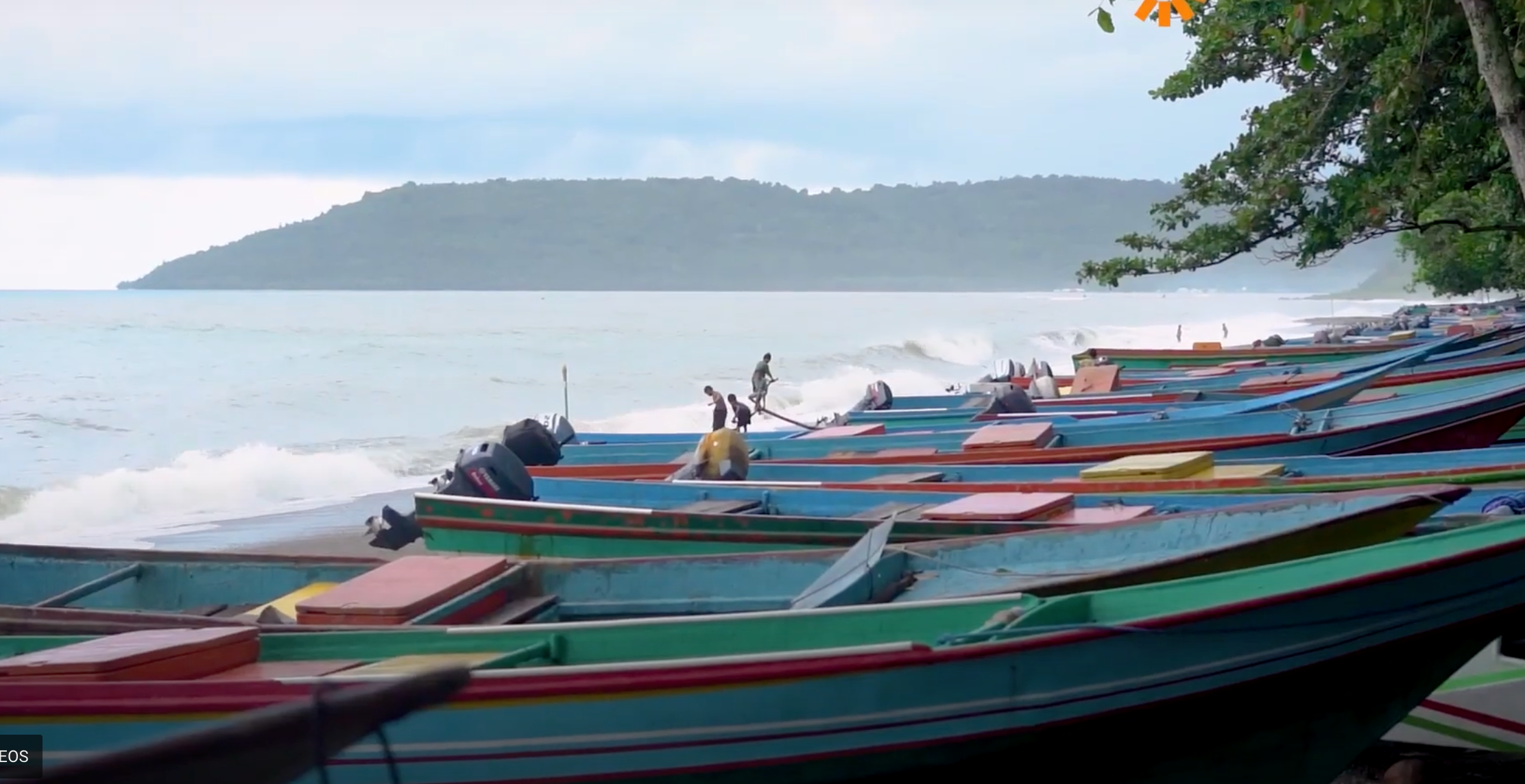
For communities in Indonesia, the world’s largest archipelago with 55,000km of coastline, a thriving ocean ecosystem is the foundation of life. The country’s $6 billion seafood industry supports 6.4 million people. Yet the mangroves, seagrass and coral that sustain fish stocks are degrading due to climate change, fishing pressure and pollution.
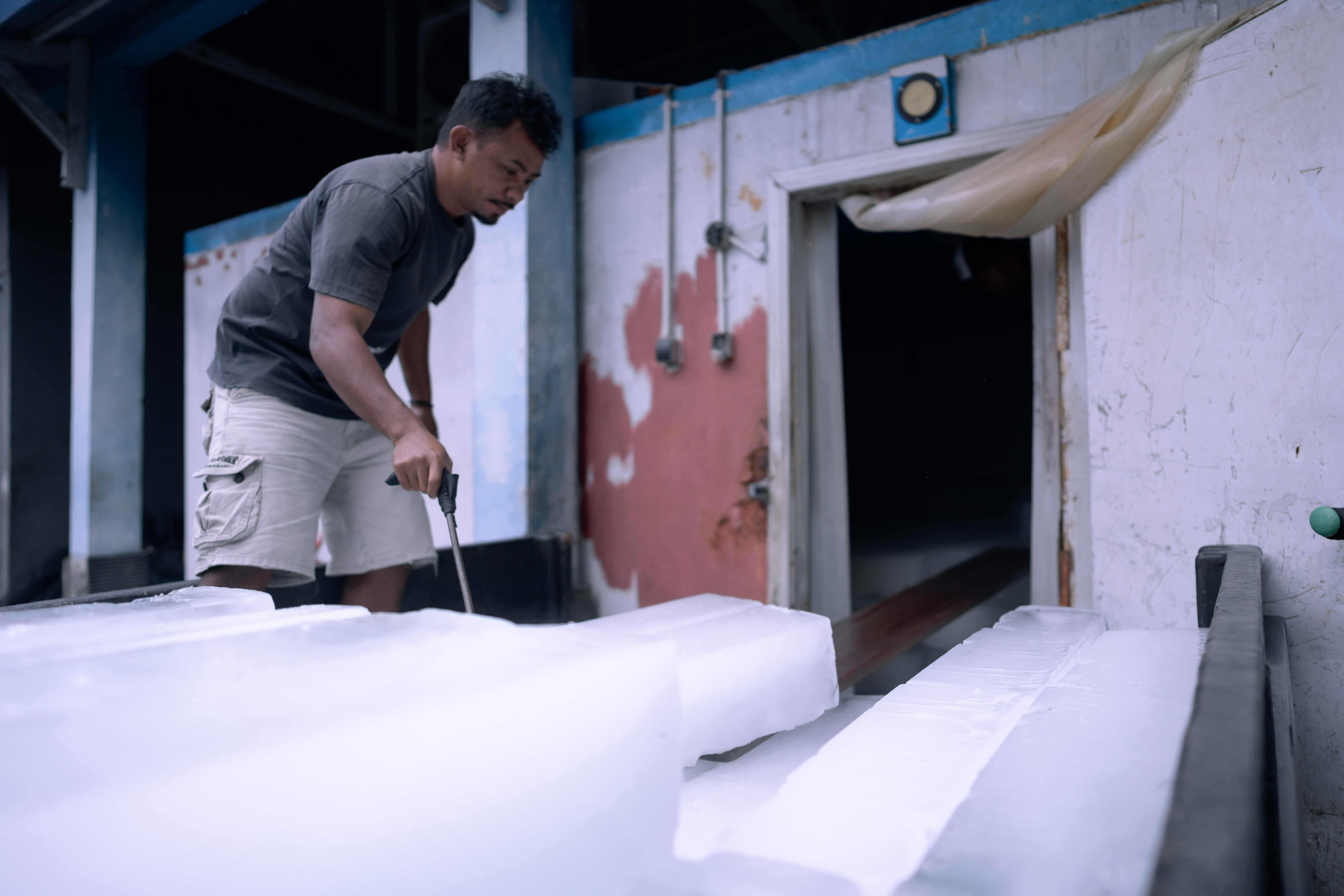
Lack of clean energy, cold storage and processing equipment compounds these challenges: fishers are forced to rely on diesel generators and plastic wrapped ice, while post-harvest losses can reach between 30–50 percent in some areas and existing cold storage infrastructure is estimated to meet only a small fraction of national demand, meaning their catch is either spoiled or sold quickly and cheaply to middlemen. This forces communities to catch more fish to make a living, creating a vicious cycle: unsustainable fishing, falling incomes, increased pollution and an ecosystem under growing pressure.
Our approach
These interconnected challenges demand interconnected solutions.
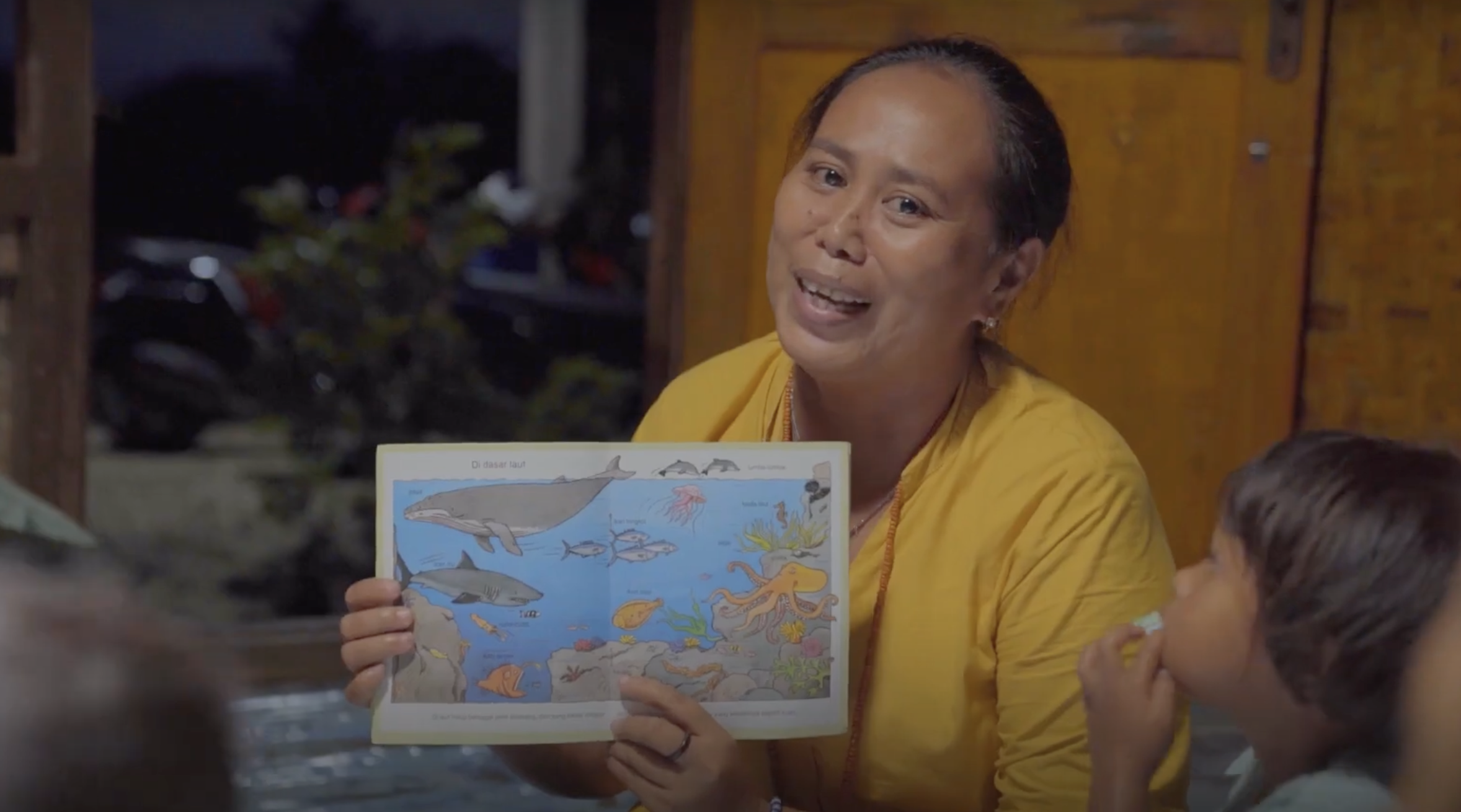
Sun to Sea is a place-based coalition and investment program built by Global Energy Alliance for People and Planet in partnership with the German international development agency GIZ, Konservasi Indonesia and The International Pole and Line Foundation (IPNLF). It brings together communities, government and businesses to deploy renewable energy that powers cold storage and other local needs. Initial grants provide assets, such as solar panels and ice makers, that become self-sustaining by unlocking economic potential, reducing reliance on polluting fuels, supporting sustainable fisheries and driving ecosystem restoration.
Sun to Sea is designed to scale. Village by village, it assembles and aligns coalitions of local fishers, residents and leaders, government agencies, conservation organizations, energy providers and the private sector around the community’s own energy and economic goals. Together, these coalitions deliver four mutually reinforcing outcomes:
- Clean energy that pays for itself: Solar energy powers ice plants, clinics, schools and households. For fisheries, post-harvest losses drop while better preserved, export-grade fish commands up to three times domestic prices.
- A healthier ocean: Community-led mangrove, seagrass and reef restoration supports the fish stocks coastal communities depend on. Verified blue carbon credits provide communities with significant additional revenue potential.
- Diversified livelihoods: Seaweed, shellfish and mariculture activities are developed alongside fishing, building resilience into the village economy.
- Community-led solutions: Improved incomes enable revitalization of traditional sustainable fishing practices, such as periodic harvest closures that allow stocks to recover.


The Sun to Sea pathway

- Scope: 20 blueprint sites in Eastern Indonesia, the first 10 in Maluku
- Capital: ~$30M in catalytic philanthropic capital and private sector co-investment
- Proof point: Model costs and revenue assumptions proven at site level

- Scope: 500 sites, including beyond Eastern Indonesia
- Capital: Multilateral development bank/development finance lending, blue carbon advance purchases, framework purchase agreements
- Proof point: Per-site costs fall as the model standardizes

- Scope: 5,000 sites under Indonesia’s Red and White Fishing Villages program
- Capital: A national financing facility deploying government co-investment
- Proof point: Indonesia government assumes ownership and leadership

- Scope: 20 blueprint sites in Eastern Indonesia, the first 10 in Maluku
- Capital: ~$30M in catalytic philanthropic capital and private sector co-investment
- Proof point: Model costs and revenue assumptions proven at site level

- Scope: 500 sites, including beyond Eastern Indonesia
- Capital: Multilateral development bank/development finance lending, blue carbon advance purchases, framework purchase agreements
- Proof point: Per-site costs fall as the model standardizes
- Scope: 5,000 sites under Indonesia’s Red and White Fishing Villages program
- Capital: A national financing facility deploying government co-investment
- Proof point: Indonesia government assumes ownership and leadership

The investment opportunity
Different kinds of capital do different work: catalytic grants prepare communities and finance ecosystem restoration; blue carbon advance purchases bridge early revenue gaps; and co-investment in cold chain and processing infrastructure sits alongside government’s village-level spending.
Designed and created in Indonesia, the Sun to Sea model has potential for deployment in coastal communities facing the same challenges and opportunities across Southeast and South Asia.
The latest from Indonesia